Most marketers are obsessed with acquisition. More traffic, more first-time buyers, more people at the top of the funnel. Makes sense; it's the easiest thing to measure. But for niche eCommerce brands, the real money is in what happens after that first sale.
Customers who come back, customers who tell their friends, and customers who choose you again even when a competitor's product looks basically the same on paper.
And here's the part people skip over: none of that comes from running more sales or writing a snappier ad. It comes from just showing up. Consistently. Meeting the expectations you set, reflecting whatever your brand actually stands for, and not messing up the small stuff along the way. That's it. That's the whole trick; there's no shortcut hiding behind it.
Every interaction counts toward this, whether it's someone scrolling your site for the first time or emailing support because their order showed up wrong. It all shapes how someone feels about doing business with you.
For marketers working outside the niche space, there's still plenty to take from how these smaller, focused brands operate. A few things stand out.
Give Customers Something to Connect With
People don't usually stay loyal to a product. They stay loyal to what the product represents, the story behind it, the personality of the brand, the sense that your company gets them.
Niche businesses actually have an edge here. They're not trying to be everything to everyone. They can speak directly to a specific audience without diluting the message.
That identity needs to show up everywhere, in the website, the product descriptions, emails, social posts, even how customer service reps talk to people. When all of that lines up, customers start to trust the brand simply because it feels familiar.
Quality Isn't Just About the Product
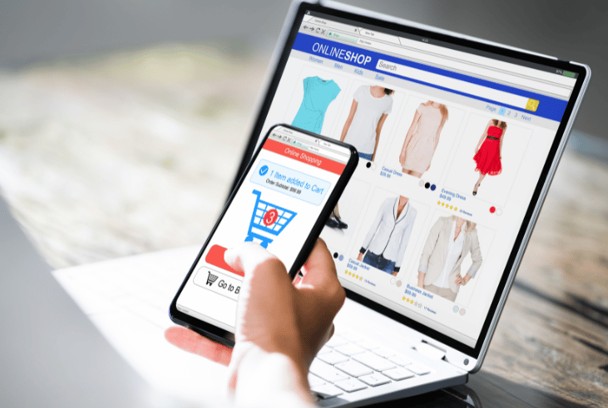
You can sell the best product in the world and still lose customers if the buying experience is a mess. Loyalty builds when every step along the way feels considered. Think about easy navigation, product info that actually answers questions, a checkout that doesn't make people want to give up, orders that arrive on time and correct, and support that responds when something goes wrong.
For brands selling decorative or visual products, presentation matters even more. People want to picture how something will actually look in their space or event before they commit to buying it.
Take a company like Jamali Garden, for example; their vase collections are organized by use case (weddings, seasonal displays, home décor), so shoppers aren't left guessing which option fits their project. That kind of organization does a lot of quiet work in reducing hesitation at checkout.
Content That Actually Helps
Once someone's bought from you, content marketing becomes one of the better tools for keeping the relationship going. And it works best when it's not just another promotion.
Buying guides, care instructions, seasonal tips, styling ideas, and FAQs that answer real questions instead of vague ones turn a business into a resource people trust, not just another store competing for attention.
Customers who keep coming back for advice get more familiar with a brand over time. So when they're ready to buy again, there's already a relationship there. That matters more than people give it credit for.
Make People Feel Like You Know Them
Nobody wants to feel like a number in a mailing list. Personalization doesn't require some elaborate tech stack; small touches go a long way. Try product suggestions tied to past purchases or follow-up emails with genuinely related ideas. These are recommendations that feel relevant instead of random.
The key is timing and relevance, not volume. Nobody's loyalty grows because they got five extra emails this week. It grows because the one email they did get actually mattered to them.
Loyalty Doesn't Have to Mean Discounts
A lot of brands default to coupons and price cuts when they think about rewarding repeat customers. Fair enough. Discounts move product in the short term, but they don't build much of an emotional connection, and once customers expect a discount, they'll wait for one before buying again.
There are plenty of other ways to make loyal customers feel valued. Early access to new drops, exclusive content, invites to events, a thank-you message that actually sounds like it was written by a person, faster support. Honestly, these small gestures stick with people longer than another 15%-off code ever will. Discounts get spent and forgotten; a good gesture gets remembered.
Jamali Garden's whole approach leans into this. The focus stays on helping people actually finish their projects well, not just nudging them toward one more purchase. It's a customer-first mindset, and it pays off, though admittedly, it's the kind of thing that's hard to put on a quarterly report.
Keep Listening, Keep Adjusting
Loyalty isn't a campaign you run once and check off a list. It's ongoing. It's shaped by how well a brand actually listens and, more importantly, whether it does anything with what it hears.
Reviews, support tickets, and random customer questions are all data, whether a brand treats it that way or not. Pay attention, and you'll catch problems while they're still small. You may notice navigation that confuses people, gaps in your content, categories that don't quite make sense, and delivery updates that leave customers guessing.
Consistency matters just as much as any one big fix. People want to know what they're getting from you. A brand that delivers the same reliable experience month after month builds more trust than one that runs a flashy campaign once a year and then coasts for the rest of it.
The Bottom Line
Long-term loyalty comes from trust, consistency, and experiences that feel like someone actually thought them through. Niche brands that understand their audience, offer real value beyond the transaction, and follow through reliably. These are the ones that win, slowly but surely.
None of this is exclusive to niche brands, either. Any business willing to pay attention to the whole customer journey, not just the moment someone hits buy, can build the kind of relationships that keep people coming back.

- Ad Network Marketing Myths That Can Lead to Poor Campaign Decisions - October 13, 2026
- Dropship Breakthru Review: Price, Guarantees, Fine Print - October 11, 2026
- Best Outdoor Equipment Fulfillment Companies for DTC Brands - October 8, 2026