
Many growing companies treat computer hardware and networks like office furniture. They buy equipment once, tuck it into a corner, and expect operations to run smoothly for a decade.
Neglecting those systems quietly drains company finances through lost staff hours, security risks, and emergency repairs. Small operational leaks add up quickly until daily work grinds to a sudden halt.

The Crushing Overhead Of Unplanned Downtime
System crashes rarely happen at convenient moments. A broken storage unit or a fried switch halts client communications and freezes sales transactions immediately. Revenue stops flowing the second internal tools go dark.
Beyond direct sales losses, idle employees continue drawing wages as they stare at frozen monitors. A 2024 economic analysis reported that unplanned system outages drain roughly $600 billion every year from major corporate operations. That staggering figure represents a 50% jump in outage expenses over a two-year span.
Contractors often scramble to patch old hardware on short notice during the outages. Rush service rates and overnight equipment shipments turn minor equipment failures into massive budgetary emergencies. Planned modernization prevents those frantic expenditures.
Draining Productivity Through Sluggish Hardware
Old computers steal productive minutes throughout every workday. Staff lose focus as software loads at a crawl and files take minutes to synchronize across the network. Those small interruptions wreck personal momentum.
Aging network routers and outdated equipment create friction across busy workspaces. Modern workplace demands for Vancouver firms require dependable connectivity to keep projects moving without needless delays. Employees end up wasting valuable time troubleshooting connection drops instead of helping clients.
Frustrated team members often build clumsy workarounds to sidestep slow systems. They transfer sensitive spreadsheets to personal devices or bypass company protocols just to meet project deadlines.
Escalating Maintenance And Technical Debt
Postponing tech upgrades might look economical on a monthly balance sheet. Skipping routine hardware refresh cycles creates compounding technical debt that turns everyday upkeep into a major financial drain. Small patches pile up until standard support agreements become unusually expensive.
Aging architectures introduce persistent daily friction across office operations:
- Frequent application freezes during client meetings
- High latency when transferring records between internal departments
- Compatibility errors with newly adopted cloud software
Recurring snags waste labor and force technicians to apply short-term remedies.
Legacy hardware parts become scarce as manufacturers discontinue older model lines. Procurement teams must source refurbished components at inflated prices just to keep old machines humming. Those custom workarounds demand hours of specialized attention that modern gear never requires.
Mounting Vulnerabilities And Cyber Risks
Outdated systems serve as open doorways for malicious actors looking to exploit known security flaws. Vendors stop releasing security patches for legacy operating systems and end-of-life firewalls. Intruders actively search for those unshielded entryways across corporate networks.
Security compromises carry disastrous financial consequences that can wipe out annual profits. An industry study on cybersecurity incidents revealed that the typical corporate data breach cost climbed to $4.88 million in 2024. Financial losses of that scale often include forensic investigations, customer notifications, and regulatory penalties.
Customer trust vanishes quickly following a public incident. Clients move their accounts to competitors who demonstrate stronger protections for private data. Recovering from brand damage takes months of dedicated public relations work and heavy discounts.
Employee Dissatisfaction And Higher Turnover
Modern workers expect fast digital tools that allow them to perform their jobs without fighting hardware. Providing clunky desktop units and failing network cables signals that management neglects day-to-day employee needs.
Top performers grow tired of spending hours waiting on loading bars and filing help tickets. Talented specialists leave for forward-thinking organizations that equip their workforce with fast workstations. Replacing skilled staff costs thousands of dollars in recruitment fees and onboarding time.
High turnover drains institutional knowledge that took years to cultivate. Teams spend months training replacements instead of driving strategic projects forward. Company output drops steadily as fresh hires struggle through obsolete operating procedures.
Missed Growth And Competitive Disadvantage
Agile competitors leverage modern software, machine learning tools, and cloud platforms to move quickly. Organizations handcuffed to legacy servers cannot integrate modern software solutions into their existing architecture. They end up watching nimbler rivals capture valuable market share.
Scaling operations becomes nearly impossible with fragile foundations. Opening a branch office or onboarding fifty remote team members requires extensive manual network configuration. Growth initiatives stall before they ever get off the ground.
Customers notice when a supplier takes days to generate simple quotes or process orders. Slow turnaround times drive prospective clients directly toward competitors with responsive digital portals. Inaction creates a silent barrier to business expansion that compounds quarter after quarter.
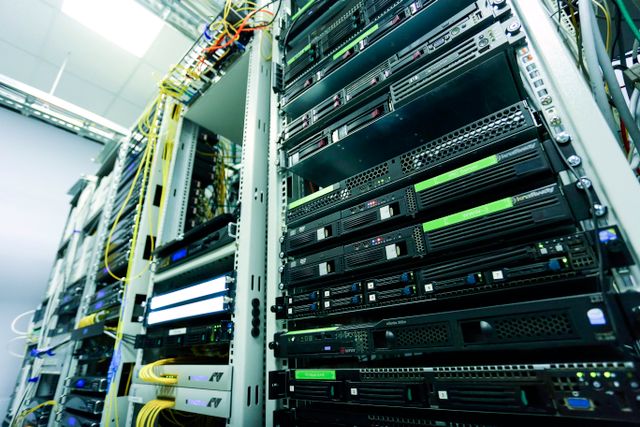
Treating corporate technology as an annoying overhead expense blinds leadership to significant structural losses. Regular investments in network stability, modern workstations, and solid firewalls protect company capital from sudden disasters. Upgraded systems deliver smooth daily operations that keep staff productive.
Forward-thinking businesses view technology as a direct driver of corporate health rather than a sunk cost. Proactive hardware maintenance protects revenue, safeguards client trust, and supports sustainable commercial growth. Taking control of internal architecture today stops hidden leaks from crippling business goals tomorrow.

- The Hidden Costs of Ignoring IT Infrastructure in Modern Business - November 1, 2026
- AAA Accelerator Review: Is Liam Ottley’s Program Legit? - October 29, 2026
- Launch My Agency Review: Price, Guarantee, BBB Record - October 26, 2026