When I think about software testing, it involves multiple levels, each with distinct approaches to accomplish particular goals. Unit tests check individual pieces of code. Integration tests verify that separate components work together correctly. But these two methods fail to detect all issues that occur during actual application deployment.
What I've found is that end-to-end testing reveals problems that only become evident when users experience the full system in actual operational settings. This testing method recreates navigation through an application by following the complete path from beginning to end. It uncovers hidden faults that develop between different technological components and only become visible under specific conditions.
In this article, I'll explore the particular gaps that end-to-end tests address within a complete testing framework — specifically what fails during production runs after unit and integration tests have passed, from interface issues to environment compatibility problems.
Complete User Workflow Validation Across Multiple Integrated Systems
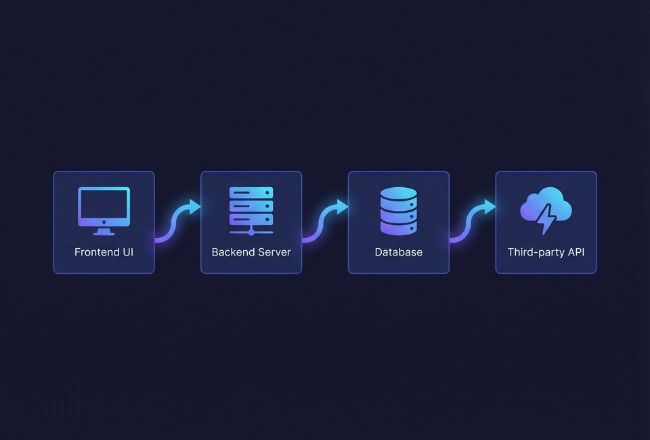
Unit tests check individual functions, while integration tests verify how components interact. However, neither of these approaches validates complete user journeys that span across multiple systems,, which is where real breakdowns tend to occur. A checkout flow, for example, may touch authentication, inventory, payment processing, and email notifications — each passing its own tests while the combined sequence quietly fails.
Running cloud-based end to end testing by Functionize allows teams to exercise these full workflows across live environments rather than isolated mocks. What gets caught at this level are the timing gaps, state mismatches, and data handoff errors that no unit or integration test was ever designed to see.
E2E tests identify problems that occur when frontend interfaces, backend services, databases, and third-party APIs operate together as a complete system. I've seen cases where a user could finish a purchase successfully — passing all unit and integration tests — but the order never arrived at the inventory system. That kind of failure only surfaces during complete workflow validation.
Real-world applications depend on connected systems that require precise data transfer between components. E2E tests let me verify that information flows properly through each step of a business process, confirming that the entire stack works as users expect — not just that individual pieces function in isolation.
These tests expose problems including authentication system breakdowns, payment system failures, and data transmission errors between different systems. Without testing the complete user path, these issues stay hidden.
UI And Frontend-Backend Interaction Issues
End-to-end testing identifies defects that occur as data passes from user interfaces to backend systems. These problems often go undetected in unit and integration testing because those tests verify components in isolation. But real users interact with both parts at the same time.
Data format discrepancies between systems are a common challenge I run into. The frontend might expect a particular JSON format, but the backend delivers a different data structure. Unit tests won't catch this because they use simulated data, and integration tests will miss it if they don't cover the complete information exchange between systems.
Authentication and session management create challenges that affect the entire technology stack. A user might click a button to trigger an API call, but the session token expires during the process. The frontend then fails to handle the error correctly, leaving users stuck on a broken page.
End-to-end testing replicates the environment users actually encounter. It sends real requests from the UI to the backend and verifies the complete flow works as expected.
Real User Behavior And Experience Scenarios
End-to-end tests evaluate how users actually behave when operating software. They follow complete paths from start to finish — for example, a test might begin when a user visits a website, searches for a product, adds items to a cart, and completes checkout.
Unit and integration tests look at small pieces of code in isolation and miss problems that only appear during complete user workflows. A button might pass unit testing, but users can still hit failures by the time they reach the fifth step in the actual application.
E2E tests surface issues like extended page load times, complicated navigation paths, and failed multi-step workflows. They also catch problems that emerge across system components that might otherwise appear to function independently. I've seen cases where users navigate multiple screens before hitting an error that earlier tests never discovered.
These tests simulate what real users actually do with software, verifying that all components function as a unified system to deliver an uninterrupted experience from start to finish.
Third-Party Service And API End-To-End Functionality
Unit and integration tests require me to use mocked versions of external services. The problem is that those mocks don't replicate the actual production behavior that third-party APIs demonstrate in their live environments.
End-to-end testing reveals problems that arise when actual external services are part of the test environment. Issues like API rate limit violations, authentication failures, and unexpected response formats often slip past isolated tests and only surface once the application connects to real third-party systems.
Real-world API interactions introduce variables like network latency, timeout errors, and data format changes. Third-party providers may update their APIs without notice, breaking integrations that previously passed all unit tests. End-to-end testing catches these failures because it uses actual network connections rather than predetermined testing components.
I also use these tests to verify that external services from various providers connect properly with each other. An application might integrate payment processors, email services, and data providers all at once. End-to-end tests confirm these services coordinate correctly, rather than just checking each API call in isolation.
Cross-Browser And Device Compatibility Problems
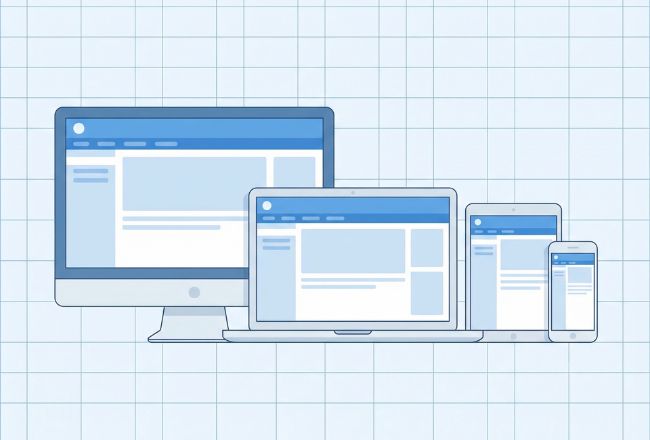
End-to-end tests let me verify web application functionality across all browser and device combinations. Unit and integration tests run in controlled environments and miss browser-specific issues entirely. A feature might work perfectly in Chrome but break in Safari due to CSS differences or JavaScript quirks.
Users access apps through countless browser and device combinations. The way each browser processes code results in different display outputs, causing layout issues and malfunctioning features. End-to-end tests help me catch these problems before users ever encounter them.
Mobile devices add another layer of complexity to consider. Touch gestures, screen sizes, and device capabilities vary widely, and a dropdown menu that works fine with a mouse might fail entirely on a touch screen.
End-to-end testing ensures that buttons work, forms submit correctly, and pages load across multiple environments. It also surfaces performance issues — like extended wait times users experience on older devices or specific browser versions. This approach replicates actual user environments rather than the ideal conditions I set up during development.
Conclusion
End-to-end tests serve a distinct purpose that unit and integration tests simply cannot fulfill. They verify entire user workflows and detect issues that only appear in production-like environments. In my experience, teams need all three types of testing to build quality software.
Each test level addresses different risks and provides unique value. Unit tests evaluate single functions, integration tests assess how components work together, and end-to-end tests verify that the complete system operates as users expect. A solid testing strategy needs all three methods working together — not just one.

- 7 Figure Accelerator Review: Is Philip Johansen Legit? - September 21, 2026
- How to Market Health and Wellness Products Online - September 21, 2026
- 6 Best Wine and Liquor Store POS Systems for Faster Checkout - September 16, 2026