Welcome to my O-farming review. I've been reviewing online business courses since 2017 and tested more than 45 different programs. Some delivered real value, others made big promises but left students with nothing but regret and lighter wallets.
O-Farming caught my attention because the pitch is genuinely fascinating. You can supposedly make $20,000 to $500,000 per oil deal by acting as a middleman between buyers and sellers. No experience required. Just 30 minutes a day. Templates and scripts included.
But here's what I've learned after years in this space: the bigger the commission promise, the bigger the barrier you're probably not hearing about.
In this review I'm going to break down exactly what O-Farming teaches, who's actually behind it, what customers are really saying, and why the trust barrier in oil brokering kills most beginners before they ever get close to a deal. I'll also show you what's actually included for that $67 entry fee and what the aggressive upsells look like once you're inside.
If you just give me a few minutes I'll tell you whether this is a legitimate opportunity or if you should run for the hills. If you're just looking for a business opportunity, click here to jump to a great alternative.
O-Farming Rating: 2.5/5 ⭐⭐½
Pros:
- Training materials delivered as promised- Support team responsive (initially)
- Explains oil brokering process clearly
Cons:
- Unrealistic for beginners without industry connections- Missing compliance, licensing, and legal training
- Aggressive upsells ($67 → $9,999)
- Only 3 verified success stories vs 10,000+ students claimed
- Course doesn't address the trust barrier
What is O-Farming Brokering?
O-Farming is an oil brokering training program created by Buildofarm, a company registered under North Digital LLC in Delaware and founded in 2022. The course teaches you how to act as a middleman connecting oil sellers like refineries and energy companies with buyers like trading firms and governments, earning a commission when deals close.
For those asking what O-Farming brokering actually involves, it's a facilitation model where you earn commissions by connecting oil buyers and sellers without owning or trading the commodity yourself. The program includes six core modules covering what they call "The O-Farming Method" along with email scripts, contract templates, and deal documents.
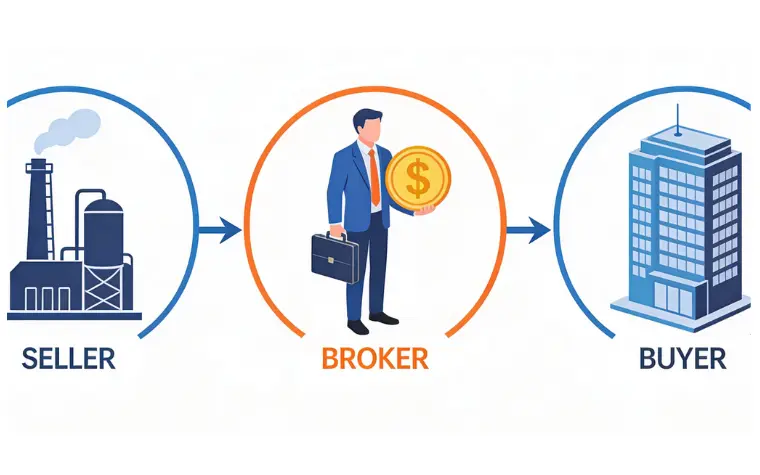
The program includes six core modules covering what they call "The O-Farming Method" along with email scripts, contract templates, and deal documents. To be clear about what O-Farming oil brokering entails, you're not drilling, refining, storing, or trading petroleum as a commodity. You're investing in training that teaches you how to facilitate deals between parties who already have the product and the capital. The $67 to $9,999 you spend goes toward education on how to position yourself as a middleman, not toward oil positions or trading capital.
The course is promoted by Rashid Al Shari, a Dubai-based entrepreneur who claims to have made millions through oil brokering. The training walks you through how oil transactions are structured, what roles are involved in a deal, and how to position yourself as an intermediary.
What you won't get is a built-in client network, verified buyers or sellers, or instant credibility. The course gives you process knowledge and outreach templates. Finding real contacts, building trust, and moving conversations forward still falls entirely on you.
I think that's where most people hit the wall. You can memorize every script in the program, but if nobody in the oil industry knows who you are or has a reason to trust you with million-dollar transactions, those templates aren't worth much.
How Much Does O-Farming Cost?
O-Farming costs $67 for the basic membership, but upsells range from $299 all the way up to $9,999 for higher-tier mentorship and tools. The company advertises a 30-day money-back guarantee, but the refund window shrinks to just three days for advanced software and mentorship packages.
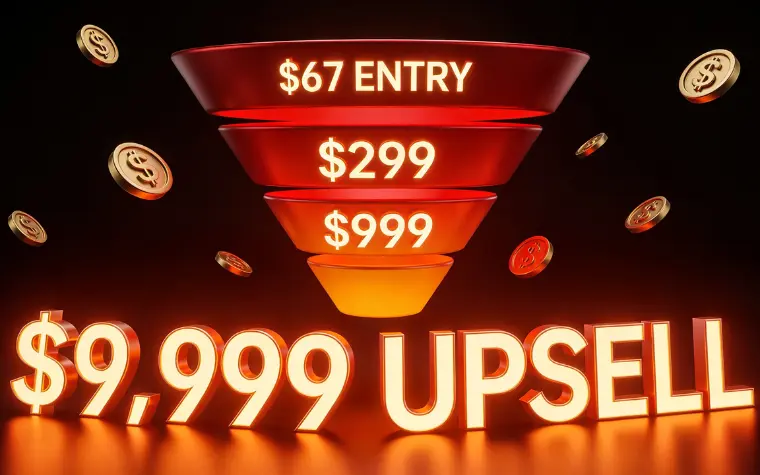
The sales page emphasizes "no hidden costs" and transparent pricing, but customer reviews tell a different story. Multiple people have complained about aggressive upsells once inside, with coaches pushing $10,000 packages as necessary to "access verified suppliers" or "unlock real deals."
One review on Trustpilot mentioned being asked to put up $10,000 for a special program, and when they asked too many questions the sales call was cut short. That's not exactly the beginner-friendly, low-barrier opportunity the marketing suggests.
Here's what bothers me about the pricing structure. The $67 gets you training videos and templates, but the real question is what's missing. You're not getting legal guidance on compliance, export laws, or anti-money-laundering checks. You're not getting licensing support or help navigating the regulations in different countries. Those are the things that actually matter in oil brokering, and they're not included at any price tier.
For comparison, legitimate commodity brokers spend tens of thousands on compliance infrastructure, legal counsel, and industry certifications before they ever touch a deal. O-Farming sells you scripts for $67 and calls it complete training.
Who is Rashid Al Shari?
Rashid Al Shari is promoted as a Dubai-based oil millionaire and commodity trader who claims to have made $20,000 from his first deal, grown that to $4 million in 1.5 years, and eventually reached over $46 million in total earnings. However, there's almost no verifiable information about his background or track record.
His Instagram account has only two posts with no photos showing his face. One post features a McLaren 765LT Spider worth over $900,000, which could confirm wealth but doesn't prove it came from oil brokering. Publications like AccessWire and Medium describe him as an established broker in the UAE, but those are press releases, not independent verification.
Searching for O-Farming Rashid reviews on Consumer Reports or other independent verification sources turns up nothing. There are no third-party financial records, industry publications, or commodity trading registrations that confirm his claimed $46 million in earnings.
What's more telling is that Rashid isn't directly mentoring students. The actual coaching comes from other Build-a-Farm trainers, not from Rashid himself. That's a significant gap between the marketing and the reality.
The only other named figure in the company is Jesse Regan, listed as Vice President and based in Denver, Colorado. Beyond that, there's very little transparency about who owns the company, what their oil trading experience is, or what deals they've personally closed.
I feel like this lack of verification is a red flag. If someone built a $46 million oil brokering business, you'd expect some kind of digital footprint beyond two Instagram posts and paid press releases. Real industry players have LinkedIn profiles showing years of employment history, conference appearances, and connections with actual energy companies.
The vagueness makes it hard to trust the credibility of the training itself.
What Do You Actually Get With O-Farming?
You get step-by-step training videos, email scripts for outreach, contract templates, sample documents, and access to a support team when you join O-Farming. The six core modules cover how oil transactions are structured, how to identify potential leads, how to approach buyers and sellers, and how commissions are inserted into deals.
The training explains terminology so you understand what different contract stages mean. You learn the sequence of communication between parties, how to position yourself as an intermediary, and what documents are typically involved in transactions. There are templates for reaching out to refineries and trading companies, along with explanations of how to talk like a professional broker.
What you don't get is what actually matters in this industry. You don't get a built-in client network. You don't get verified buyer or seller contacts. You don't get credibility or reputation. You don't get deep training on compliance, licensing, export laws, or anti-money-laundering requirements.
The material centers on process knowledge and outreach strategy. Execution, finding real contacts willing to work with you, and moving conversations past the first email still falls entirely on your shoulders.
Think of it this way. The course teaches you how to speak the language and understand the paperwork. But it doesn't give you the one thing oil transactions actually run on, which is trust. Buyers need to know the seller is real and has the product. Sellers need to know the buyer can actually pay. And both sides need to know you're not wasting their time or running some kind of scheme.
Templates can't solve that problem. Only reputation, relationships, or prior positioning in the industry can.
Who is O-Farming For?
O-Farming is for people who already have connections in the energy, commodities, or international trade sectors and want structured training to understand how oil brokering deals are documented and executed. If you're coming in cold with no industry background, this program won't give you what you need to succeed.
The course could work for former logistics professionals who understand shipping, documentation, and cross-border transactions. If you spent years in freight forwarding or import-export operations, you already speak the language of international commerce and understand compliance requirements. The O-Farming training might help you pivot those skills into oil brokering, though you'd still need to build credibility in the energy sector specifically.
B2B sales professionals with experience in long sales cycles and high-value negotiations might also extract value here. If you're comfortable with six-month to one-year sales processes where most conversations go nowhere, you have the right personality for this model. The course won't change the fact that oil deals take forever to close, but it will teach you how they're structured when they do.
People with capital to invest beyond the course cost should also be considered. You'll need legal counsel to navigate compliance, business registration in multiple jurisdictions, and potentially licensing depending on where you operate. If you have $20,000 to $50,000 set aside for infrastructure before you ever touch a deal, you're thinking realistically about what this business requires.
I feel like the only beginners who might succeed are those with family connections in oil trading or energy companies. If your uncle runs a refinery or your former boss moved into commodity trading, you have a built-in network that changes everything. The course gives you the vocabulary to have intelligent conversations with those contacts.
Everyone else is fighting uphill against institutional barriers the training doesn't address.
Who is O-Farming NOT For?
O-Farming is not for complete beginners expecting passive income or fast results, because oil brokering requires years of relationship-building, significant capital for compliance infrastructure, and comfort with rejection rates that would destroy most people's motivation within weeks.
If you need income within three to six months, this model won't deliver. Even the most optimistic success story cited by the program, David's $5 million deal, took two months after joining. That's the exception, not the rule. Most beginners spend six months to a year just learning who the real buyers and sellers are versus the time-wasters and scammers.
Anyone working with a tight budget should avoid this program. The $67 entry fee is misleading because the real costs come later. Legal counsel for compliance, business registration, anti-money-laundering infrastructure, and potential licensing requirements easily run $20,000 to $50,000 before you close your first deal. If you're hoping to bootstrap this business with just the course cost, you're setting yourself up for failure.
This model also isn't for people who get discouraged by rejection. Oil brokering means 90% of your outreach goes unanswered. When people do respond, most conversations collapse the moment you ask for verification documents. If that level of uncertainty and dead-end effort sounds exhausting rather than challenging, you'll burn out fast.
I think the biggest misconception is that the course provides buyer and seller connections. It doesn't. You're responsible for finding legitimate contacts, building trust, and convincing them you're not wasting their time. If you're expecting a done-for-you network or warm introductions to verified parties, that's not what you're buying.
People looking for location independence and lifestyle freedom should also look elsewhere. Real oil brokers work across multiple time zones, handle urgent communications at odd hours, and deal with compliance deadlines that don't care about your vacation plans. This isn't a laptop-on-the-beach business. It's a high-pressure B2B sales grind that happens to involve commodities instead of software.
Can You Actually Make Money With O-Farming?
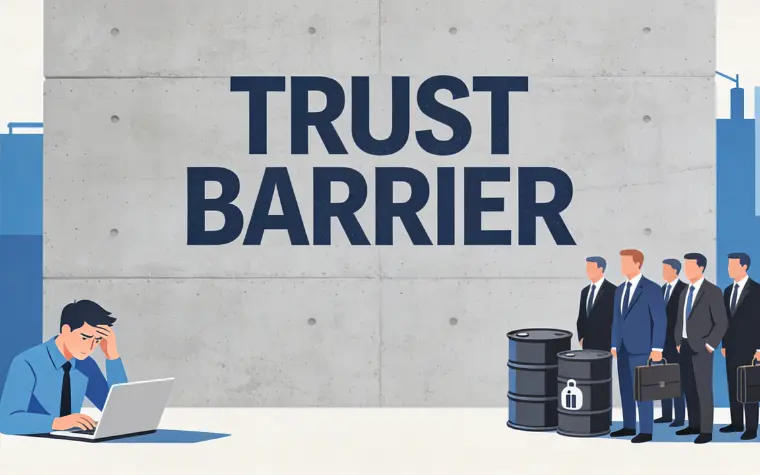
Making money with O-Farming is technically possible but practically improbable for beginners because the oil industry has a built-in gatekeeping system designed to filter out unknown intermediaries. Even if you execute the training perfectly, you'll hit a credibility wall that scripts and templates can't break through.
Here's the core issue. Oil transactions require layers of proof before anything moves forward. Buyers want proof of funds. Sellers want proof of product. Both sides want company documents, past performance records, legal compliance verification, and formal procedures. If you enter this space with no track record, you're immediately at a disadvantage that no amount of training can overcome.
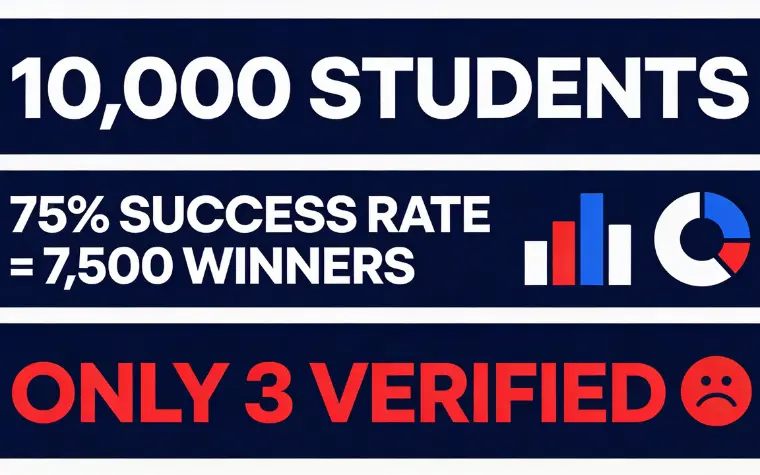
The claims from O-Farming don't match the evidence. The company says it has trained over 10,000 students with a 75% success rate. If that were true, you'd expect to see at least 7,500 success stories, testimonials, or case studies.
Instead, there are only three documented success stories that get repeated across multiple marketing channels. The most cited example is David, who supposedly landed a $5 million EN 590 deal two months after joining. That's one verifiable win out of 10,000 claimed students.
The time commitment claim is equally unrealistic. Rashid says you can see results with just 30 minutes a day. Real oil brokers say they spend 40 to 55 hours a week maintaining relationships, finding leads, verifying documents, and negotiating deals across multiple time zones. The most time-consuming part isn't learning the process. It's the back and forth, the legal review, the compliance approvals, and the endless outreach to people who don't respond.
There's also a problem in the oil brokering world that experienced traders call "brokers brokering brokers." Fake buyers and sellers lure newcomers into deals that never close, motivating beginners to do all the work while the scammer poses as a direct contact. You waste weeks or months chasing conversations that collapse the moment real documents are requested.
I think most beginners underestimate how many conversations it takes before anything serious even reaches contract stage. High commission potential doesn't equal high closing probability. If you close one legitimate deal it can pay well, but getting to that first real deal without years of industry positioning is the problem nobody wants to talk about.
Instead of chasing million-dollar deals you can't control, explore how AI teaches 5 proven business models you can start with far lower barriers to entry.
What Are O-Farming Reviews Actually Saying?
O-Farming reviews are mixed on training quality but overwhelmingly skeptical about actual results, with customers praising the responsive support team and clear structure while questioning the lack of verified income proof and success stories. Trustpilot shows 313 reviews with a 4.6 out of 5 star rating, but when you read the details the red flags become obvious.
Positive reviews mention that the training is well-organized and easy to follow. People say the support team responds quickly to questions and the videos explain concepts clearly. Several students appreciate that the course introduces them to an industry they knew nothing about.
But the negative patterns are more revealing. One of the most common complaints is summarized perfectly by a reviewer who wrote, "I am looking for solid feedback from anyone that has gone beyond the training and is now making real money using the techniques they learned in the training course." Multiple people echo this same concern. They say the training itself is fine but nobody seems to actually be closing deals or earning commissions.
Another recurring issue is LinkedIn account blocks. Students report setting up commodity broker profiles following the course instructions, only to have LinkedIn suspend or block their accounts within days. That's a significant operational problem if your primary prospecting tool gets shut down before you even start.
Several reviews mention aggressive upselling. One person said they were asked to put up $10,000 to access a special program, and when they asked several questions the meeting was cut short. Others report that customer service stopped replying when they requested refunds or complained about the lack of results.
A few reviewers even said they were blocked after speaking up about issues with the program. One wrote, "These are all fake reviews. Please don't make a purchase. They will not give your money back. I requested my money back after the first video."
The technology barrier is another common complaint. People who aren't computer-savvy say the program is overwhelming and they haven't been able to do anything with it yet. One construction worker wrote a detailed review explaining that while the staff was polite and helpful, the whole system was just too complicated for someone without tech experience.
YouTube reviews and independent sites reach similar conclusions. Beyond Trustpilot, O-Farming reviews complaints on BBB show a similar pattern. Build-O-Farm reviews under the company's alternate spelling show the same complaints about lack of results and aggressive upselling, with Buildofarm operating as the parent entity behind the O-Farming brand.
The Better Business Bureau lists one complaint where the company failed to respond, which aligns with the customer service ghosting issues reported elsewhere.The consensus is that O-Farming isn't a traditional scam because it does deliver training materials.
But the business model it teaches is unrealistic for beginners, the marketing oversimplifies the barriers, and the lack of verified success stories raises serious questions about whether the program actually works for anyone.
I feel like the 4.6 star rating is misleading. It's propped up by early-stage reviews from people who just joined and liked the training videos. What's missing are reviews from people six months or a year later who actually closed deals and made money.
What's the Daily Reality of Oil Brokering?
The daily reality of oil brokering is screening time-wasters, chasing conversations that go nowhere, verifying paperwork you have no control over, and dealing with fake buyers and sellers who collapse the moment you request documents. Your actual work is not watching training videos or following templates.
Here's what a typical day looks like. You spend hours on cold outreach via LinkedIn and email, reaching out to refineries, trading companies, and energy firms. Most messages get ignored. Some get responses that lead to preliminary conversations, but those fall apart once you ask for proof of funds or proof of product. You're constantly verifying whether the people you're talking to are even real.
Legitimate buyers want to see your track record. They want to know what deals you've closed before, who you've worked with, and why they should trust you to handle transactions worth millions of dollars. When you can't provide that history, conversations end quickly.
You'll also deal with fake contacts. Other brokers pose as direct buyers or sellers to lure you into doing free work for them. They promise big commissions if you just handle the outreach and paperwork, but the deal never materializes because they were never connected to a real supplier or buyer in the first place.
This is closer to high-level B2B sales than it is to online side income. You're managing conversations across multiple time zones, waiting for legal reviews, navigating compliance approvals, and trying to move deals forward without direct control over either side. If both parties don't stay engaged, the whole thing collapses and you start over.
It's a specific personality fit. You need to be comfortable with rejection, long sales cycles, and high-pressure negotiations. Not everyone wants that kind of stress or uncertainty. If the idea of spending weeks screening contacts and chasing paperwork sounds exhausting, this model probably isn't for you.
Why Do Most Beginners Fail at Oil Brokering?
Most beginners fail at oil brokering because the industry is designed to filter out unknown intermediaries through a gatekeeping system that requires proof of funds from buyers, proof of product from sellers, and a track record that newcomers don't have. Even perfect execution of the training hits a credibility wall you can't overcome with templates.
Real oil transactions involve large volumes, strict verification processes, and established relationships. Serious players already have networks they've built over the years. Breaking into that space without an industry background means you're starting from zero in a field where players usually have institutional backing or deep connections.
Think about it from the buyer's perspective. If you're a trading firm ready to spend $50 million on crude oil, are you going to trust a broker you met on LinkedIn last week who has no deal history and can't point to a single closed transaction? Or are you going to work with someone your colleagues have used before who has a reputation in the industry?
The course doesn't address the most important barriers. Licensing requirements vary by country and commodity. Compliance with export laws, anti-money-laundering regulations, and logistics documentation isn't covered in the training. Legal structures, business registration, and insurance aren't part of the curriculum.
What O-Farming teaches is how oil deals are structured and what documents are involved. What it doesn't teach is how to become the kind of person oil companies want to work with. That requires years of relationship-building, usually starting in junior roles at established commodity firms where you learn under experienced brokers who introduce you to their networks.
Professional oil brokers say they spent one to two years in those junior positions before they ever closed their first independent deal. They had mentors who walked them through compliance, introduced them to verified contacts, and vouched for their credibility when deals were on the line.
O-Farming tries to shortcut all of that with six training modules and some email templates. I don't think that's realistic.
Is O-Farming a Scam?
For those asking "is OFarming legit," the answer is nuanced. O-Farming is not a traditional scam because it does deliver training materials and support exists, but it sets unrealistic expectations that border on misleading by claiming beginners can succeed in a heavily regulated, relationship-driven industry without addressing the trust barriers that actually determine success. The gap between what's promised and what's provided makes it problematic even if it's not technically fraudulent.
Here's what keeps it from being an outright scam. You do get access to training videos. The course does explain how oil brokering works. There is a support team you can contact, at least initially. The company exists, has a refund policy, and delivers the digital product it advertises.
But here's what makes it problematic. The marketing emphasizes ease and downplays barriers. The claim of 10,000 students and a 75% success rate doesn't match the evidence of only three documented success stories. The 30-minute-per-day time commitment claim contradicts what real brokers say about the 40 to 55 hours per week required to maintain relationships and close deals.
The course skips crucial elements like licensing, compliance training, export law guidance, and anti-money-laundering requirements. Those aren't optional extras. They're legal necessities in international commodity trading. Leaving them out of the training is like teaching someone to drive without mentioning brake function or traffic laws.
There's also a pattern of aggressive upselling for "real access" that suggests the $67 version isn't actually complete. If you need to spend $10,000 to unlock verified suppliers or get meaningful coaching, then the entry-level product is more of a sales funnel than a standalone course.
Customer service complaints add another layer. Multiple reviews describe support going silent when refunds are requested, people being blocked after complaints, and upsells that promised better training but delivered nothing new. That's not the behavior of a company confident in its product.
My take is this. You're buying education about an industry that won't let you in without the exact things the course doesn't teach. The training teaches you the language and the paperwork, but it doesn't give you credibility, connections, compliance infrastructure, or the years of relationship-building that oil brokering actually requires.
It's legal. It's not technically a scam. But I think it's misleading to market this as a beginner-friendly opportunity when the barriers to success are institutional rather than educational.
Are You Set on Oil Brokering or Just Looking for a Business Opportunity?
If you're honestly asking yourself whether you're committed to oil brokering specifically or just exploring ways to make money online, that's a sign you should probably look at models with lower barriers to entry and faster paths to your first dollar. Most people drawn to O-Farming aren't passionate about commodity trading. They're attracted to the income potential and the idea of working from anywhere.
I get it. The promise of $500,000 commissions sounds incredible. But if what you really want is location freedom, control over your income, and a business you can actually start without institutional gatekeeping, you don't need to convince oil refineries to trust you.
I built The 2026 AI Business Blueprint specifically for people in your position. It teaches five different business models powered by AI, all designed for beginners who want to choose one path and run with it. You're not locked into chasing million-dollar deals that require years of relationship-building. You pick the model that fits your skills and interests, then AI handles the heavy lifting while you focus on execution and growth.
The course costs just $47 one-time. No upsells. No aggressive sales calls. No "you need the $10,000 tier to access real opportunities" nonsense. You get all five business models, lifetime access, and you can start immediately without needing anyone's permission or trust.
Not ready to commit to a course yet? That's ok! Click here to get my free cheat sheet and see what these 5 AI-powered businesses are all about.
If oil brokering is genuinely your calling and you have industry connections, go for it. But if you're here because you want a real business opportunity that doesn't require institutional credentials, there are much better options available.

My Recommendation on O-Farming
I recommend passing on O-Farming unless you already have existing connections in the energy or commodities industry, because the course teaches process knowledge that's useless without the trust, credibility, and network that beginners don't have and can't acquire through training alone. The math simply doesn't work for most people.
If you have a background in logistics, shipping, international trade, or energy sector work, you might extract some value from the training. The explanations of contract structure and deal flow could help you understand how to position services you already offer. But even then, you'd be better off working under an established brokerage firm where you can learn compliance and build relationships with real mentorship.
For complete beginners expecting to land deals within months, this is a bad bet. The high commission potential everyone talks about doesn't equal high closing probability. One big deal can pay well if you close it, but getting to that first legitimate transaction without years of industry positioning is where almost everyone stalls out.
The aggressive upsells, lack of verified success stories, and customer service complaints all point to a program that's more interested in enrollment than outcomes. When support stops responding after you buy, that tells you everything you need to know about their priorities.
You own the assets you build, results scale with consistent effort instead of rare large deals, and you're not dependent on convincing oil companies to trust a complete stranger.
If you're drawn to the idea of oil brokering because of the commission potential, I get it. Big numbers are attractive. But ask yourself whether you'd rather chase one $500,000 deal that probably won't close or build a business that generates reliable income you can actually control.
O-Farming FAQ
How long does it take to close your first oil deal?
Most beginners never close their first oil deal because the industry requires established relationships and verified credibility that newcomers don't have. Even experienced brokers who start in junior roles at commodity firms typically spend one to two years learning the ropes before closing independent deals.
The idea that you can land a transaction within weeks or months of joining O-Farming is unrealistic for anyone without existing energy industry connections.
Do you need a license to be an oil broker?
Licensing requirements for oil brokers vary by country and the specific commodities you're trading, with many jurisdictions requiring business registration, compliance with export control laws, and adherence to anti-money-laundering regulations.
O-Farming doesn't cover these legal requirements in its training, which is a significant gap because operating without proper licensing in international commodity trading can result in serious legal consequences. Most legitimate brokers work with legal counsel to ensure they're compliant in every jurisdiction where they operate.
What's the average commission on an oil deal?
Oil brokers typically earn 1% commission on the total deal value or a flat engagement fee, which means a $50 million transaction would pay around $500,000 in commission or a smaller upfront fee of $20,000 to $35,000 depending on the arrangement.
However, these commission structures only apply if you actually close deals, and most beginners never reach that stage because buyers and sellers require proof of past performance and credibility before agreeing to work with new intermediaries.
Can you get a refund from O-Farming?
O-Farming offers a 30-day money-back guarantee for the basic $67 membership, but higher-tier software and mentorship packages have only a three-day refund window according to their terms of service. Multiple customer reviews report difficulty getting refunds even within the stated timeframe, with complaints about customer service going silent or denying refund requests for vague reasons.
If you're considering the program, document all communications and review the refund policy carefully before purchasing any upsells.
Does Rashid Al Shari actually coach students?
Rashid Al Shari does not personally coach students in the O-Farming program despite being the face of the marketing. The actual training and coaching comes from other Build-a-Farm instructors, which creates a disconnect between the promotional materials featuring Rashid's success story and the reality of who you'll actually work with inside the course.
This is a common pattern in online courses where the celebrity founder handles marketing while unnamed coaches deliver the actual training.
Is O-Farming a scam?
O-Farming is not a scam in the traditional sense because it delivers training materials as promised, but it sets unrealistic expectations for beginners by claiming they can succeed in oil brokering without the industry connections, legal compliance infrastructure, or years of relationship-building the business actually requires. The program teaches real concepts about how oil deals are structured, and support does exist initially.
However, the aggressive upsells from $67 to $9,999, the lack of verified success stories with only 3 documented wins out of a claimed 10,000 students, and customer service complaints about ghosting after purchase make it problematic even if technically legitimate. You're buying information about an industry that won't let you in without the exact credentials and network the course doesn't provide.

- Top West Coast Fulfillment Companies for Ecommerce Brands in 2026 - October 19, 2026
- Digital Entrepreneurs Are Discovering That Physical Operational Infrastructure Accelerates Digital Scale - October 18, 2026
- Fast-growing E-commerce Sellers Are Overhauling Fulfillment Hubs To Keep Up With Orders - October 16, 2026