
Central Europe has emerged as the primary alternative to traditional Western real estate hubs, attracting a growing share of international capital. If you have been monitoring global market movements, you have likely noticed that traditional Western hubs are no longer the sole focus of international capital.
Cities like Budapest, Vienna, Warsaw, and Prague are gaining traction as dynamic alternatives, offering a unique blend of historical stability and modern growth potential.
Why Foreign Investors Are Targeting Central European Properties
When you analyze the current investment climate in Central Europe, the most striking feature is the resilience of the region’s macroeconomic indicators. While global markets have faced volatility, Central Europe has maintained a trajectory of steady GDP growth that often outpaces the Eurozone average.
This economic momentum creates a fertile ground for real estate appreciation. For many international investors, the primary draw remains the competitive acquisition costs. Compared to the saturated markets of London, Berlin, Paris, or Munich, property prices in the CE region allow for a much lower entry point without sacrificing the quality of the underlying assets.
Furthermore, yield stability in the region has become a cornerstone of diversified portfolios. Amidst currency fluctuations and stock market volatility, tangible assets in the region offer a reliable inflation hedge.
You can see institutional capital flowing into the region because—according to 2024 market analyses from firms like CBRE—the "yield gap"—the difference between property yields and government bond rates—remains more attractive here than in the West.
This stability, combined with a transparent legal environment and increasing integration into global supply chains, makes the region a primary target for those looking to preserve and grow their wealth through real estate.
Top Property Sectors Attracting Institutional Buyers Today
The composition of the real estate market in Central Europe is changing, as institutional buyers move away from traditional retail toward more specialized and resilient asset classes. Institutional capital is currently gravitating toward three high-growth sectors:
Modern Logistics Parks: The explosion of e-commerce has turned the CE region into a vital hub for European distribution. Because of the strategic geographical location, demand for "Last Mile" delivery centers and large-scale fulfillment warehouses is at an all-time high.
ESG-Compliant Office Buildings: Standard office spaces are no longer enough. There is a massive flight to quality, where investors prioritize buildings that meet strict Environmental, Social, and Governance (ESG) criteria. These green-certified assets command higher rents and enjoy lower vacancy rates.
Build-to-Rent (BTR) Residential Units: A cultural shift is occurring in cities like Prague and Warsaw, where the younger generation is increasingly opting for high-quality rental housing over immediate ownership. This has opened a lucrative niche for institutional investors to develop and manage professional rental portfolios.
By focusing on these sectors, you are tapping into the structural changes of the regional economy, ensuring that the property remains relevant and profitable even as consumer habits evolve.
Prime Urban Markets Driving Growth Across Key Capitals
Growth in the CE region is largely concentrated in its capital cities, which act as the economic engines for their respective countries. If you compare market dynamics, you will see that each city offers a distinct profile.
Warsaw remains the financial heavyweight, with a skyline that is rapidly expanding to accommodate multinational headquarters. The city's infrastructure projects and metro line expansions have consistently pushed property values upward in previously overlooked districts. Prague, on the other hand, is defined by its supply-demand imbalance.
Strict historical preservation laws limit new developments, ensuring that existing prime assets maintain exceptionally high value and see consistent price appreciation.
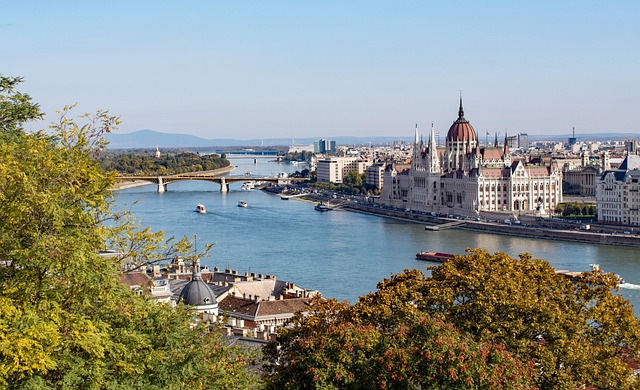
Budapest has emerged as a particularly interesting case for urban renewal. Large-scale projects in the city's central districts and the revitalization of the Danube riverbanks have transformed the urban fabric. Investors looking at the Hungarian capital often focus on the synergy between tourism, high-end residential demand, and the city’s growing status as a tech hub.
Across all these capitals, the common thread is the expansion of transit-oriented developments. Investing near planned transit corridors or infrastructure hubs historically aligns with stronger tenant demand and liquidity, capitalizing on the enhanced accessibility of dense urban centers.
How Residency Programs Shape Foreign Property Acquisitions
The legal and regulatory frameworks in Central Europe play a crucial role in facilitating international capital flow. Governments in the region have recognized that real estate is not just about buildings, but also about attracting human capital and long-term commitment.
This has led to the integration of property acquisition with residency options, creating a more holistic investment package. Investors looking to expand their footprint in Central Europe often take advantage of the Hungary Golden Visa, which provides a streamlined route to EU residency through strategic real estate investments.
From a practical perspective, these programs allow qualified investors to access EU residency primarily through registered real estate investment funds, which offer professional asset management and diversification across regional property portfolios, while direct property tracks remain constrained by local housing market regulations. These frameworks provide a structured legal pathway for foreign investors.
However, given how rapidly investment migration policies can evolve in response to local economic conditions, investors should ensure their strategy remains adaptable to regulatory changes.
This relationship between residency and property is a major driver of the high-end residential market, as it attracts high-net-worth individuals seeking solid financial returns alongside visa-free Schengen travel for business and leisure for up to 90 days within any 180-day period.
What To Expect From The Regional Market Over The Next Few Years
Over the next few years, Central Europe’s market is poised to maintain its resilience despite global headwinds. While interest rate fluctuations remain a factor to monitor, the region’s strong labor markets and low unemployment rates provide a solid cushion against economic downturns.
You should expect a continued emphasis on supply chain realignments; as European companies "near-shore" their operations to avoid global disruptions, the demand for industrial and manufacturing space in the CE region will likely intensify.
Environmental sustainability will also move from being a "nice-to-have" feature to a mandatory requirement. Upcoming green energy mandates from the EU, specifically the new EPBD (Energy Performance of Buildings Directive 2024/1275), will force a modernization of older building stocks, creating opportunities for those who can implement energy-efficient retrofits.
While the era of "easy money" may be transitioning, the fundamental value proposition of Central Europe remains intact. For the strategic investor, the focus will shift toward market knowledge and active asset management.
By staying informed about urban developments and regulatory changes, you can capitalize on the next phase of growth in one of Europe’s most promising real estate frontiers.

- The Hottest Real Estate Trends in Central Europe: Where Is International Capital Flowing? - November 2, 2026
- The Hidden Costs of Ignoring IT Infrastructure in Modern Business - November 1, 2026
- AAA Accelerator Review: Is Liam Ottley’s Program Legit? - October 29, 2026