St. Louis is a city where families, schools, and communities continue to adapt to how technology shapes everyday life. For young people especially, online platforms can influence communication, social relationships, and access to information long before parents understand how deeply those systems affect their children.
As concerns about online harm grow, the legal conversation is also expanding beyond whether platforms remove individual pieces of harmful content. Families and attorneys are increasingly examining how digital services are designed, how they handle safety concerns, and what companies know about the risks associated with their products.
That broader focus can make online safety disputes more complex, especially when serious injuries are involved, and existing legal protections must be considered alongside emerging liability theories.
For those seeking legal assistance, a social media self-harm lawsuit may require careful examination of platform conduct, digital evidence, and the circumstances surrounding the alleged harm. Understanding those details can help families determine what legal options may be available.
From Content Moderation to Product Duty
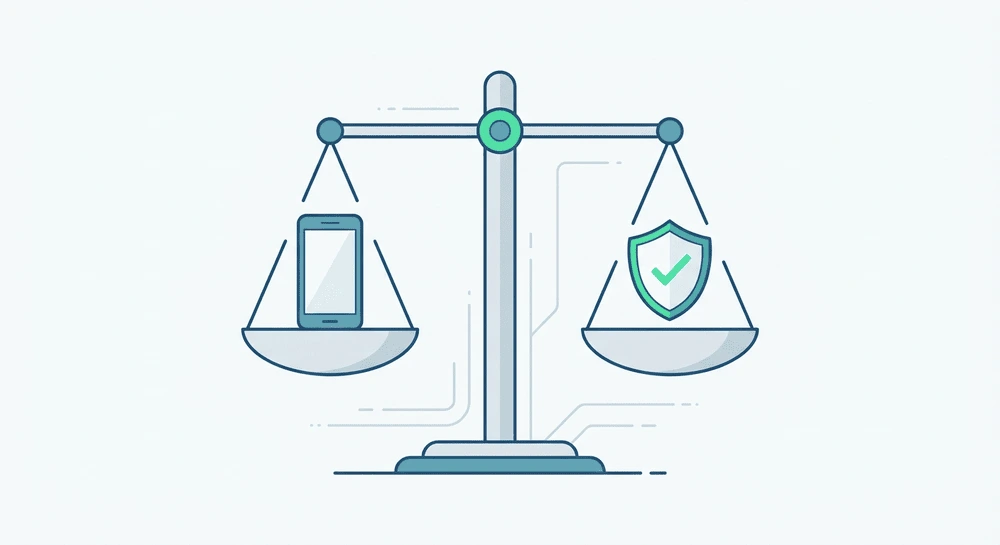
Families and injured users increasingly focus on how an app is built, promoted, and monitored. A complaint can examine recommendation systems, age safeguards, direct messages, warning records, and the company’s response to reported harm. A social media self-harm lawsuit can therefore center on design choices and notice, rather than treating a user’s experience as an isolated event.
This approach changes the legal theory. A traditional content claim asks whether a platform published harmful material created by another person. A product-based claim asks whether the platform’s own features created a foreseeable risk, failed to use reasonable safeguards, or continued a practice after receiving reports of injury.
The distinction matters because courts often analyze platform conduct separately from user-generated speech. Claims focused on a platform’s recommendation process, account settings, or direct communications raise different questions than claims based solely on another user’s published post.
Why Internal Evidence Matters
Platform accountability disputes depend heavily on records created before litigation. Product specifications, safety reviews, testing documents, complaint data, employee messages, and changes to recommendation systems can show what a company knew and when.
User records also matter. Screenshots, account histories, direct messages, medical records, school reports, and communications with caregivers can help establish timing. A clear timeline connects platform activity with changes in conduct, exposure to harmful material, and resulting treatment.
Evidence must support each legal element. A claimant generally needs more than proof that harmful content appeared on an app. The record must connect a particular feature, company decision, or failure to respond with the alleged injury.
Section 230 and Platform Claims
Section 230 of the Communications Decency Act generally protects an interactive computer service from liability based on content supplied by another person. That protection has shaped online speech law for decades, but it does not automatically resolve every claim involving a platform.
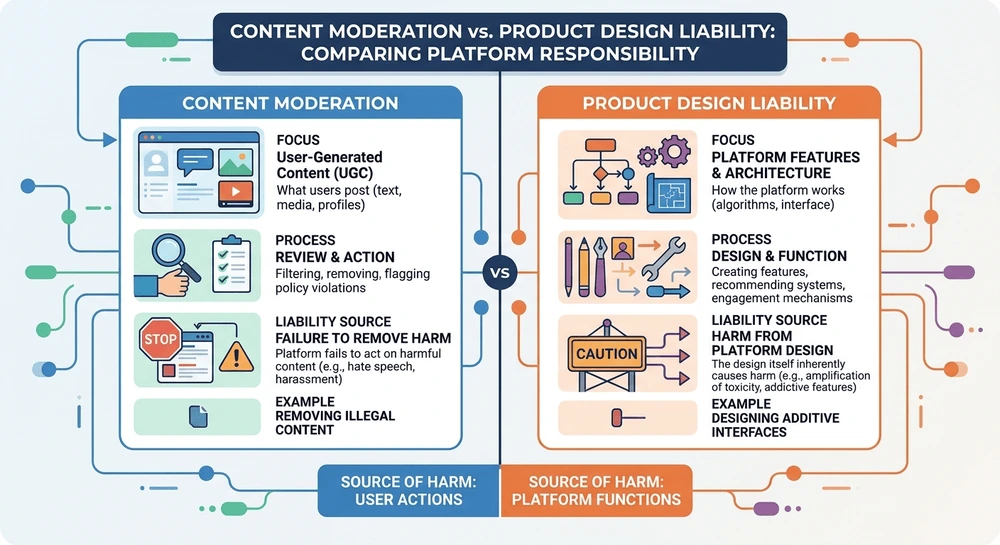
The central question is often whether the complaint treats the company as a publisher or alleges independent conduct. A claim based on editing, ranking, or removing another person’s post can face Section 230 arguments. A claim based on the platform’s own product design, data practices, or failure to address a known hazard presents a different analysis.
Courts assess the precise allegations, the requested remedy, and the connection between the alleged conduct and the injury. Small wording differences can change the legal path. A complaint that identifies a feature and how it operates gives the court a clearer basis for evaluating immunity.
What Accountability Claims Must Show
A credible claim identifies the duty that the platform allegedly owed. That duty could involve reasonable product design, warnings, age-related protections, privacy controls, or a response to repeated reports of harm. The claim must then connect the duty to conduct that caused a specific injury.
Foreseeability also receives close attention. Internal warnings, prior complaints, research findings, and documented safety concerns can support an argument that a risk was identifiable before the injury occurred. They do not replace proof of causation, but they can clarify notice and expected prevention measures.
Damages require separate evidence. Medical treatment, counseling, lost income, educational disruption, and long-term care needs can establish an injury's practical impact. Legal claims also require attention to filing deadlines, jurisdiction, preserving electronic records, and identifying responsible parties.
How the Legal Shift Affects Online Safety
Platform accountability claims pressure companies to treat safety as a product question rather than a moderation task alone. That pressure can influence testing, default settings, reporting systems, age checks, and the retention of safety records.
For courts, the cases require careful separation between protected speech and allegedly harmful conduct by the company itself. For families, the cases show why early documentation matters. A dated record of exposure, warnings, symptoms, and treatment can preserve facts that become difficult to reconstruct later.
The legal shift does not guarantee liability in every case. It creates a more detailed inquiry into how a service worked, what the company knew, and whether it responded reasonably.
Conclusion
Platform accountability claims are changing online safety law by placing product design, internal notice, and injury proof beside content moderation. Anyone evaluating a potential claim should preserve account records, capture relevant communications, document treatment, and record when concerns were reported.
A qualified attorney can then assess jurisdiction, deadlines, causation, and Section 230 issues using the available evidence. That process turns a general safety concern into a focused legal analysis grounded in specific platform conduct.

- Why Platform Accountability Claims Now Reshape Online Safety Law - October 22, 2026
- Top Google Review Software for Improving Local Business Reputation - October 22, 2026
- How Remote Technology Is Changing the Way Legal Proceedings Are Conducted - October 21, 2026