Hey, Drew here. If you've been digging into the Digital Rental Method by Sean Kochel and Joshua T. Osborne, you've probably noticed two things: the program is real, and almost every "review" ranking on Google is just a setup to sell you a different course they're an affiliate for.
I'm going to do something different. The Digital Rental Method is a legitimate business model run by real operators — but it's expensive, gated behind a sales call, and runs entirely on paid ads. I didn't buy this one (it's priced in the thousands and locked behind a discovery call), but I've reviewed a pile of these lead gen programs, I know the rank-and-rent model first-hand, and I dug through their current structure, real student reviews, and the refund complaints so you don't have to.
I'm also not an affiliate for Digital Rental Method. I have nothing in their funnel. So you're getting a straight read.
⭐ Digital Rental Method Rating: 3.0/5 — a real model with strong support, dragged down by hidden pricing, ad-spend dependency, and a confusing web of rebrands.💡
💡 Digital Rental Method Runs on Paid Ads and a $5K+ Buy-In. Here's the No-Ad-Spend Path.
The whole engine here is paying Google and Facebook for clicks while you learn to run campaigns. That's fine if you've got a few thousand for the course plus a monthly ad budget. Most beginners don't.
I built The 2026 AI Business Blueprint for the opposite situation — building recurring online income using AI, without a team and without burning cash on ads to learn. If you want to see the bigger picture first, here are the 5 AI business models I'd actually start with today. $47 one-time (currently $10 off on the sales page) versus $5,000+.
Keep reading for the full Digital Rental Method breakdown, or jump to the alternatives below.
Key takeaways: Digital Rental Method is the paid-ads version of local lead generation, now folded into Joshua Osborne's Digital CEOs umbrella. Pricing isn't published, but students report paying $5,000 to $10,000, with ad spend on top. There's a short refund window that reviewers say wasn't disclosed on the call. The model is legit; the value depends on your budget, your sales nerve, and how much you want to pay for "faster."
What I cover in this review:
- What the Digital Rental Method actually is
- Whether it's still active in 2026 (and how it changed)
- Who Sean Kochel and Joshua T. Osborne are
- How the model works, and the paid-ads-vs-SEO tradeoff
- What you get, what it costs, and the refund catch
- What real students say, whether it's a scam or legit, and who it's for
- Cheaper alternatives, including the AI approach
What Is the Digital Rental Method?
The Digital Rental Method is a training program that teaches you to build small niche websites, drive traffic to them with paid ads, then rent the resulting leads to local service businesses for a monthly fee. Sean Kochel and Joshua T. Osborne created it, and it's a paid-traffic spin on the local lead generation model — also called rank and rent or "digital real estate."
The pitch is the part that sells: own simple online assets that act like rental properties, except instead of tenants and toilets, you've got a plumber in Chicago paying you every month for the phone calls your site generates. You're the middleman between people searching for a service and the businesses that want those customers.
The twist with this specific program is the traffic source. Most rank-and-rent training leans on SEO. Digital Rental Method leans on Google and Facebook ads to get leads flowing fast, then rents that flow out. Faster start, ongoing cost. I'll come back to that.
Is the Digital Rental Method Still Active in 2026?
Yes, the Digital Rental Method is still active in 2026, but it's been absorbed into a larger umbrella program called Digital CEOs. The standalone "Digital Rental Method" branding is really Sean Kochel's paid-ads angle inside that bigger system, which is run by Joshua Osborne's parent company, Unified Growth (founded in 2018).
If you've shopped other high-ticket, ads-based lead gen programs like Modern Millionaires, this naming shuffle will feel familiar. Programs in this space rebrand and repackage constantly, and it makes it genuinely hard to pin down what you're actually buying.
How It Fits Inside Digital CEOs Now
Inside the current Digital CEOs training, the paid-ads piece shows up as a "Client Kickstarter" module led by Sean Kochel — a fast-start path that uses a small ad budget to generate live leads, hand a few to a local business for free to prove value, then convert them into a paying client in 30 days or less. That's the Digital Rental Method idea in a nutshell. The rest of Digital CEOs covers the broader rank-and-rent and agency paths, with SEO, sales, and site-building.
So when you sign up today, you're not buying a tidy little course called "Digital Rental Method." You're buying into Digital CEOs and getting Sean's paid-ads training as part of it.
One Model, A Dozen Names
Here's the part that trips people up. Joshua Osborne's world includes Digital CEOs, Digital Leasing, BAM University (Bad Ass Marketers), Rent Digital Assets, and the older Social Ad Tribe and Online Landlord Biz brands Sean was tied to. They overlap heavily, and reviews scattered across all those names are really describing the same family of training.
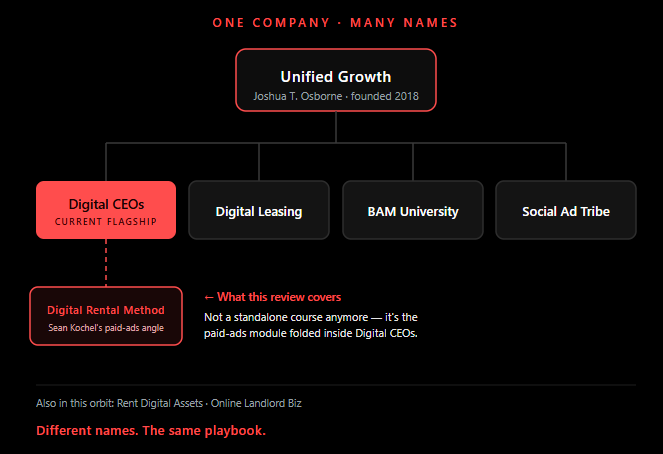
My honest take: this is one business taught under a lot of different labels. That's not automatically a red flag, but it makes researching it a headache, and it's how a lot of buyers end up confused about exactly which program they joined and what they paid for.
Who Are Sean Kochel and Joshua T. Osborne?
Sean Kochel and Joshua T. Osborne are the two operators behind the program, and they bring different strengths. Sean is the paid-ads and data guy. Joshua is the digital-assets and sales guy. Both learned the underlying model from the same mentor.
Sean Kochel
Sean Kochel is the paid-traffic half of the partnership. He studied supply chain management at Lehigh University, worked in corporate before pivoting into marketing, and spent time around ad-tech firms and managing ad budgets for larger brands. He runs paid campaigns across Google, Facebook, Pinterest, YouTube, and Snapchat.
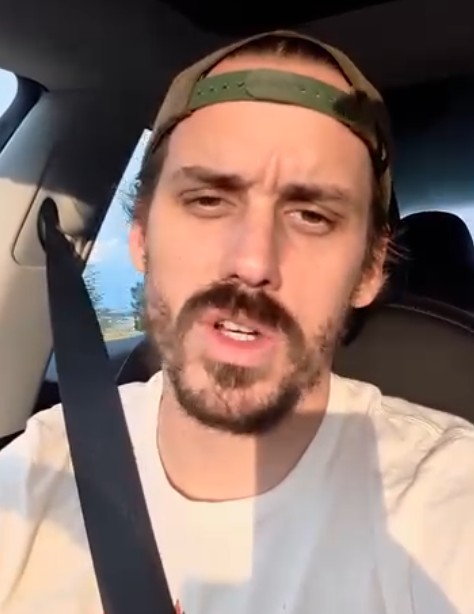
Before teaming up with Osborne, he ran his own training under the Social Ad Tribe name. If you join, the ads instruction is coming from someone who has actually spent money in these platforms.
Joshua T. Osborne
Joshua T. Osborne is the digital-assets and mindset half. His story gets told a lot: a rough upbringing, time in jail as a young adult, then a turnaround that started with a moving company in Colorado before a health scare pushed him into digital business. He went on to found Unified Growth and build the Digital CEOs / Digital Leasing / BAM ecosystem into a multi-million-dollar operation.
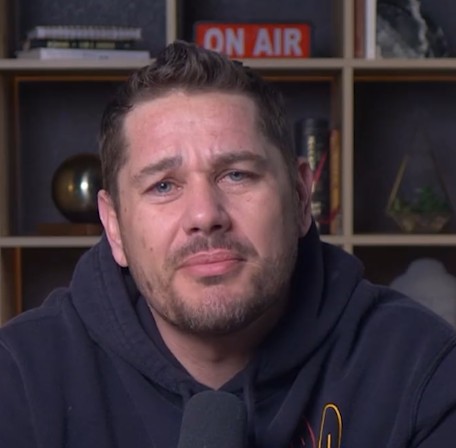
A chunk of the program is his sales framework and motivation, which some students love and others find a little thin on the technical side.
The Dan Klein Connection
Both Sean and Joshua learned local lead generation from Dan Klein, whose program was once called Job Killing. That lineage gets waved around a lot in competing reviews to imply pedigree, and you'll see inflated "success rate" stats attached to it that I can't verify, so I'd ignore those. The takeaway that matters: these two didn't invent the model. They packaged a version of it.
How Does the Digital Rental Method Work?
The Digital Rental Method works in four steps: pick a local service niche, build a simple landing page for it, drive traffic with paid ads, then rent the lead flow to a local business for a monthly fee. The site stays yours, and the business pays for results.
In practice, you'd target something like "roofing in Austin" or "tree removal in Denver," stand up a one or two page site with a phone number and a form, and launch Google and Facebook campaigns aimed at people already searching for that service. Once the calls and form fills start, you pitch a local roofer or arborist on buying those leads — usually a flat monthly fee, a per-lead price, or a mix.
The simple part is building the page. The hard part is the selling. You're cold-pitching local business owners, proving your leads are real, and keeping them happy enough to keep paying. That sales muscle is where most people either win or quietly give up.
Paid Ads vs SEO: The Honest Tradeoff
This is the real fork in the road, so let me be even-handed about it. Paid ads buy you speed. SEO buys you durability. Neither is "better" in the abstract — they fit different budgets and temperaments.
Paid traffic can produce leads within days, which is great when you want to land a client fast. The catch is that you pay for every click, forever, and if your campaigns aren't dialed in you can torch a budget with nothing to show. You're also learning ad platforms, tracking, and offer testing at the same time you're learning sales. If you want a sense of whether paying for clicks is worth it before you commit, that's worth reading.
The organic route — ranking a site in Google and renting it once it's there — is slower, often six weeks to six months, and you need to understand how SEO actually works. But once a site ranks, the leads keep coming with almost no ongoing cost. Funny enough, Osborne's other programs (Digital Leasing, BAM) lean more on that organic side. Digital Rental Method is the version that chose speed and ongoing spend.
What Do You Get Inside the Program?
You get a training library plus a heavy live-support layer. The core pieces are a sales system, paid-ads training for both major platforms, a set of done-for-you funnels, and ongoing coaching.
The sales training is Joshua's "6 Steps 2 Close" framework, built to help you pitch local business owners without high-pressure tactics. The ads training covers Facebook and Google from the fundamentals (auctions, targeting, keywords, bidding) through actually launching and optimizing campaigns. You also get 30-plus done-for-you niche funnels — pre-built landing pages, targeting setups, and ad copy for common local service niches — so you're not starting from a blank page.
On top of the recorded material, the support is where they put real weight: multiple live calls each week with the coaching team, a personal success coach for accountability, and a private community (run on Skool) that includes a job board for outsourcing or finding paid gigs. There's also supplementary training on site builders, AI tools, Google Maps, and email and SMS follow-up. For a beginner who needs hand-holding, that live support is the strongest part of the offer.
How Much Does the Digital Rental Method Cost?
The Digital Rental Method does not publish its price. To get a number, you have to book a discovery call with their team, which is standard for higher-ticket coaching programs but frustrating if you just want to compare costs.
What Students Actually Report Paying
Here's what competing reviews won't tell you, because they're guessing or making up tidy "tiers." Based on what real students disclose, the program lands somewhere in the $5,000 to $10,000 range depending on the package and when you bought. One reviewer on the Bad Ass Marketers / BAM Trustpilot page describes paying $7,800, and reports elsewhere put it as high as $10,000. The older BAM pricing was reported around $5,860.
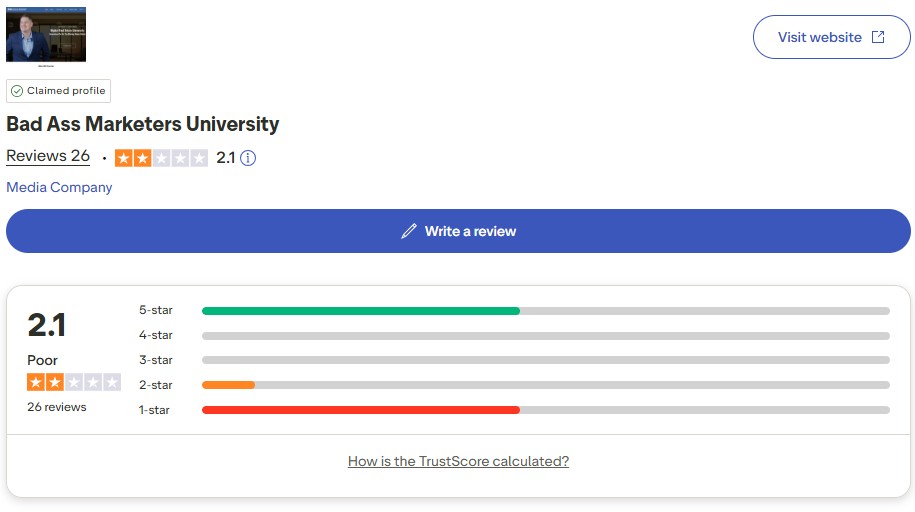
Treat any review that lists exact $997 / $1,997 / $2,997 tiers with suspicion — that pricing is fabricated and doesn't match what buyers actually report.
The Hidden Cost: Ad Spend
The course fee isn't the whole bill. Because the model runs on paid ads, you also need a monthly ad budget to test and run campaigns on top of what you paid to get in. Going in underfunded — course price drained, nothing left for ads — is one of the fastest ways to stall out before you've landed a single client. Budget for both, or this isn't the model for you yet.
What's the Refund Policy?
The refund situation is the part that worries me most. Multiple students report a short refund window of roughly 72 hours, and several say it was not clearly disclosed during the sales call — only surfacing in the contract or after they'd paid.
If you do book a call, get the refund terms in writing before you hand over any money, and read them yourself rather than taking the closer's word for it. A program confident in its value shouldn't bury a three-day window.
What Do the Reviews and Complaints Say?
Reviews are genuinely mixed, and where you look changes the picture a lot. The official channels skew glowing; independent discussion is more skeptical.
The company's own Digital CEOs Trustpilot page is full of warm reviews praising the step-by-step structure, the community, the coaching, and Josh's personal story. Take those with the usual grain of salt for solicited reviews. The negative ones, which exist on the same platforms, cluster around the same themes: the cost, the undisclosed short refund window, the program understating how hard the work actually is, and a "money grab" feeling from people who didn't get traction.
On Reddit, opinion splits hard. Some students defend it strongly, including a few who report scaling to real monthly income. Others call it overpriced for what you get. A heads-up on sources: several of the most positive "reviews" you'll find online are run by affiliates earning a commission, and the famously rosy ScamRisk has been reported to be tied to Osborne's own network. Read the cheerleading ones with that in mind.
How Much Can You Realistically Make?
Realistic earnings vary wildly, and anyone promising you a number is lying. A single rented site commonly brings in $500 to $2,000 per month, and people who stack multiple sites or clients can climb well beyond that. Plenty of others never land a paying client at all.
The honest version: this is not passive, especially early. Your results hinge on your niche, your ad budget, and above all your willingness to do cold outreach and sell. The students who win treat it like a real business and stick with it. The ones who expected leads on autopilot tend to be the ones writing the refund complaints. Income claims you see in any program's marketing are best-case, not typical.
Digital Rental Method Pros and Cons
It teaches a proven model from people who've done it. Local lead generation is a real, in-demand service, and Sean and Joshua have genuine track records in ads and digital assets. You're not learning from a kid who read a blog post last week.
The support layer is legitimately strong. Daily-ish live calls, a success coach, an active community, and a job board give beginners more guidance than most courses bother with.
The done-for-you funnels save real time. Thirty-plus ready-made landing pages and ad setups mean you're not building from scratch while you're still learning.
Now for the cons...
There's no price transparency, and it's expensive. Five to ten thousand dollars, revealed only on a sales call, is a big ask before you've seen the inside.
The whole model depends on ongoing ad spend. You're paying for traffic indefinitely, and a mismanaged campaign burns money fast. "Faster" has a running cost attached.
The refund window is short and reportedly not disclosed. A ~72-hour window that surprises buyers is a real strike against trust.
The branding maze is a mess. Digital Rental Method, Digital CEOs, BAM, Digital Leasing, Social Ad Tribe — figuring out what you're actually buying takes more work than it should.
Who Is the Digital Rental Method For?
The Digital Rental Method is for people who have capital to spare, are comfortable selling, and want leads flowing quickly through paid ads. If you've got a few thousand for the course plus a monthly ad budget, you don't flinch at cold-pitching local business owners, and you'd rather pay for speed than wait months for rankings, it can fit. Agency owners adding a performance-based lead gen offer are a natural match too.
It's a poor fit if you're on a tight budget, want genuinely passive income, dislike sales calls and cold outreach, need to see a price before booking a call, or would rather build durable organic assets without paying for clicks. If most of those describe you, keep your money.
Is the Digital Rental Method a Scam or Legit?
The Digital Rental Method is legit, not a scam. The business model is real and used worldwide, the instructors have verifiable experience, and the program delivers actual training, coaching, and a community — not a slapped-together video dump.
That said, legit doesn't mean right for you, and it doesn't mean fairly priced. My issues are with the value, not the legality: the gated five-figure-adjacent pricing, the ad-spend dependency, the short refund window, and the rebrand soup. A real program can still be a poor deal for a beginner, and for most beginners, this one is.
Digital Rental Method Alternatives
If the "recurring income from online assets" idea is what hooked you, you've got cheaper and lower-risk ways to chase it. Here are three.
The AI Approach: Recurring Online Income Without Paid Ads ($47)
The high upfront cost of the course is only half the battle — the never-ending ad spend required to test campaigns means you're constantly feeding the machine out of pocket. If your real goal is building recurring online income without torching money on ads, you can start for a fraction of that.
My free guide walks through exactly this idea: how to build a $10K/month AI business without a team or paid ads. It's a no-cost starting point and a much softer landing than a sales call about a $7,000 program.
This isn't the same rank-and-rent model — it's broader. The 2026 AI Business Blueprint uses AI to run the grunt work across several online business models, so you're not dependent on a single ad platform or a single skill. For the price of a nice dinner versus thousands plus ongoing ad budget, it's the path I'd point a beginner to first. It's $47 one-time, and there's a coupon knocking $10 off on the sales page right now.
Organic Local Lead Generation
If you specifically want the digital-landlord model, you can do it the organic way — rank sites in Google with SEO and rent them once they're there. It's slower to start, but once a site ranks, the leads come in without paying for every click, which removes the single biggest risk of the paid-ads route. It's the same end game (own the asset, rent the leads), just without the monthly ad bill. It's also closer to what Osborne's other programs teach.
Modern Millionaires
Modern Millionaires is a direct competitor, not a cheaper escape. Chance Welton and Abdul Samad Farooqi built it around the same paid-ads idea, and it sits in the same high-ticket range — frequently quoted at $4,000 to $7,000-plus — with the same ad-spend requirement on top. If your problem with Digital Rental Method is the cost and the ongoing ad bill, this won't fix either one.
There's also one way it's worse: ownership. Modern Millionaires teaches a "lead flipping" agency model where you run a client's ad accounts, so if that client stops paying, your revenue stops the same day. With rank and rent you at least keep the website and can sell those leads to a competitor. I'd only weigh it if you're committed to the paid-ads route and want to compare two programs head to head — my Modern Millionaires review breaks it down so you can do exactly that.
You Might Also Find These Useful
If you're vetting online business programs, these are worth a look: my Peaceful Profits review covers another high-ticket coaching offer, and my roundup of the best affiliate marketing courses gives you cheaper, transparent options to compare against anything sold over a phone call.
Final Verdict: Is the Digital Rental Method Worth It?
I give the Digital Rental Method a 3.0 out of 5. It's a legitimate program teaching a proven model, backed by experienced operators and a support system that's better than most. If you've got real capital, a stomach for sales, and a budget for ads, it can work, and some students clearly make it pay.
But the hidden five-figure-adjacent pricing, the constant ad spend, the short and poorly disclosed refund window, and the confusing pile of brand names hold it back hard — especially for the beginners it markets to. For most people starting out, the math just doesn't favor paying thousands to learn a model that then asks for an ad budget on top.
If you'd rather build recurring online income without paid ads or a five-figure buy-in, that's exactly what I designed The 2026 AI Business Blueprint to do — $47, one time, no sales call.
Frequently Asked Questions
Is the Digital Rental Method a scam?
No. The Digital Rental Method is a legitimate program teaching a real business model, run by operators with genuine experience. It's not a scam — but it is expensive, ad-dependent, and gated behind a sales call, so "legit" and "right for you" aren't the same thing.
How much does the Digital Rental Method cost?
The price isn't published. Students report paying roughly $5,000 to $10,000 depending on the package, revealed only after a discovery call, plus an ongoing ad budget on top. Be wary of any review listing neat $997/$1,997/$2,997 tiers, since that pricing is made up.
Is the Digital Rental Method the same as Digital CEOs or BAM?
They're all part of the same family. Digital Rental Method is the paid-ads angle, now folded into the Digital CEOs umbrella under Joshua Osborne's Unified Growth, which also includes BAM University and Digital Leasing. The overlap is heavy, which is why the naming is so confusing.
Do I need money for ads on top of the course?
Yes. The model runs on paid traffic, so you need a monthly ad budget to test and run Google and Facebook campaigns in addition to the course fee. Joining without leftover money for ads is a common way to stall before landing a client.
How long until I land a client?
It varies from weeks to months. Paid ads can produce leads quickly, but converting those into a paying local business depends on your sales ability, your niche, and your budget. There's no guaranteed timeline.
Is there a refund?
Students report a short refund window of about 72 hours, and several say it wasn't clearly disclosed on the sales call. Get the refund terms in writing and read them yourself before paying anything.
Can I build recurring online income without paying for ads?
Yes. Organic local lead generation ranks sites with SEO instead of ads, and an AI-driven approach can build recurring income across several models without an ad budget. My free starter guide covers how to do it without a team or paid ads.

- Fast-growing E-commerce Sellers Are Overhauling Fulfillment Hubs To Keep Up With Orders - October 16, 2026
- Ad Network Marketing Myths That Can Lead to Poor Campaign Decisions - October 13, 2026
- Dropship Breakthru Review: Price, Guarantees, Fine Print - October 11, 2026