Hey, Drew here. Welcome to my Start and Scale review of Gretta van Riel's Foundr course for 2026. I've bought and pulled apart dozens of "make money online" courses over the years, so I can usually tell within an hour whether something is a real eCommerce education or a recycled dropshipping pitch wrapped in a slick sales video.
Start and Scale plays a different game than most courses in this space. It is not a dropshipping course. It teaches you to build a branded physical-product business with real inventory — the same way Gretta built SkinnyMe Tea, Drop Bottle, and The 5th Watches. That is a bigger swing than slapping AliExpress products on a Shopify store, and it comes with a bigger price tag and a steeper climb.
So is it worth your money in 2026, now that the latest version — Start and Scale 3.0 — has been rebuilt around AI and folded into a monthly membership? Let me show you exactly what you get, what it costs, and who should walk away.
💡 Start and Scale Teaches Branded eCommerce With Real Inventory. Here's the Lower-Cost AI Path.
Start and Scale is a serious program for building a physical-product brand — product design, manufacturing, packaging, holding stock, the lot. It works, but it assumes you have real startup capital and the stomach to manage suppliers, inventory, and cash flow.
If you want to build an online business without ordering 500 units from a factory and praying they sell, that's the gap my 2026 AI Business Blueprint fills. It walks you through five AI-powered business models you can start lean — no inventory, no team, no paid ads — for $47 one-time instead of $99 a month.
Jump to the AI alternative or keep reading to see what Start and Scale actually teaches first.
⭐ Start and Scale Rating: 3.8/5
I give Start and Scale a 3.8 out of 5. It's a legit, well-built course from someone who has actually built multi-million-dollar brands, and the AI updates keep it current. What holds it back from a higher score is the move to a subscription model (you're nudged into $99 a month instead of a clean one-time buy), the real capital and inventory barrier that comes with physical products, the light coverage of paid ads, and the upsell-heavy Foundr machine surrounding it.
For the right person with money to invest, it's a strong pick. For most beginners, it's more than they need to get started.
Key Takeaways
The verdict: Start and Scale is a legitimate, high-quality course for building a real physical-product brand — not a scam, but not a cheap or quick path either.
Best for: People with startup capital who are serious about building a branded eCommerce business and holding their own inventory.
The cost: Now sold through the Foundr+ membership — a $1 trial, then around $99 a month or $499 a year, with frequent flash sales.
The catch: It's an inventory business with real money on the line, it's light on paid ads, and you're paying monthly. If you want lower risk, my AI Blueprint covers leaner models for $47 one-time.
What Is Start and Scale?
Start and Scale is an online course that teaches you how to build a physical-product eCommerce brand from scratch. You learn how to come up with a product idea, validate it, design and manufacture it, build a Shopify store, build an audience before you launch, run influencer marketing, and scale the business after launch.
The key thing to understand is that this is not dropshipping. You are creating your own products and holding your own inventory, which means you actually own a brand at the end of it instead of reselling the same items as a thousand other stores. If you're fuzzy on the difference, I broke down what dropshipping actually is in a separate guide, but the short version is that dropshipping is lower cost and lower risk, while Start and Scale is higher cost, higher risk, and higher reward.
Your original instinct about this course still holds up: it does not cover everything you need to run a business. It skimps a little on paid advertising, and you'll learn a lot of that elsewhere. But if you follow it, you can stand up a real store that makes real money, and you can pick up the rest as you go.
Who Is Gretta van Riel?
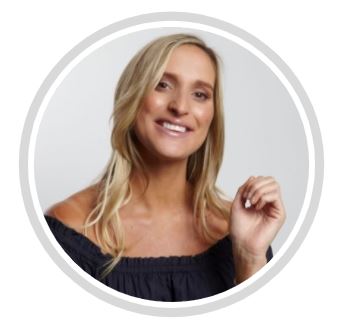
Gretta van Riel is an Australian eCommerce founder who actually has the receipts to back up her teaching. She started her first business, SkinnyMe Tea, in 2012 at 22 years old with $24 in her bank account, and within six months it was generating around $600,000 a month. That store went on to win the Shopify Build a Business competition, beating tens of thousands of other entrants.
She didn't stop there. She co-founded Drop Bottle, which was featured in Oprah's Favorite Things — about the strongest endorsement a consumer product can get. She co-founded The 5th Watches, which had a million-dollar sales day and pulled in $100,000 on its first day of sales. She also built Hey, an influencer marketing platform, and she's been named to the Forbes 30 Under 30 list for retail and eCommerce.
So when she teaches branding and influencer marketing, she isn't reading from a script. She's one of the few people in this industry who built the businesses first and started teaching second, not the other way around. I can't promise you'll match her results — that takes a real amount of luck and timing — but the expertise is genuine.
What Is Foundr, and How Does It Fit In?
Start and Scale is a partnership between Gretta van Riel and Foundr, the entrepreneurship media and education company. This matters because your old version of this review barely mentioned Foundr, and in 2026 you can't talk about the course without it. Gretta is the instructor and the brains behind the framework, but Foundr is the company that packages, hosts, sells, and supports it.
Foundr started as a digital magazine featuring interviews with founders like Richard Branson, Mark Cuban, and Tim Ferriss, then moved heavily into online courses. Their whole pitch is that every instructor is a practitioner who built what they teach, not an academic. Start and Scale is one of their flagship eCommerce programs, and it now lives inside their membership platform, Foundr+, rather than being sold purely as a standalone course.
Is Start and Scale Still Worth It in 2026?
Start and Scale is still worth it in 2026 if you have the capital and you're committed to building a real brand — but it's no longer the obvious choice it once was. The framework is solid, the AI updates are useful, and the success stories are real. The friction is the price model and the fact that branded physical-product eCommerce demands real money upfront.
The bigger question is whether physical-product eCommerce is even the model you should pick. It's a proven path, but it's slow and capital-heavy compared to leaner online businesses. Dropshipping, for example, lets you test products without buying inventory first — and if you're wondering whether that still works, I covered whether dropshipping is dead in 2026 in detail. The honest answer is that both models work, they just suit different budgets and risk appetites.
Here's where I land: if you've got a few thousand dollars to invest and you genuinely want to build and own a brand, Start and Scale gives you a real roadmap. If you're starting with limited cash and you want to make money online sooner rather than later, there are faster and cheaper places to begin.
How Much Does Start and Scale Cost?
Start and Scale is now sold mainly through the Foundr+ membership, which starts at a $1 trial and then runs about $99 a month or $499 a year. That's the biggest change since the old days, when it was a one-time purchase of around $997 (or three payments of $397). Foundr now funnels almost everyone into the membership, which includes Start and Scale plus access to their other courses, their community, and their AI coach.
You'll also see frequent flash sales advertised — discounts of "$1,500 off" and similar — which tells you the pricing is heavily promotion-driven. A legacy standalone version around $997 still floats around in some places, but Foundr clearly wants you on the recurring membership.
One thing to factor in, just like with any eCommerce course: the course fee is the smallest cost. You'll also need a Shopify subscription, a domain, and most importantly the money to actually manufacture your first product run and hold inventory.
Going in underfunded is the number one reason people quit early, so budget for the business, not just the training. Because the price changes so often with promotions, check the live number on Foundr's site before you buy — what you see today may not be what's on offer next week.
Start and Scale: Module Breakdown
This is where I get into the actual course content. The current release is Start and Scale 3.0, built around eight modules, and the headline change in this version is that AI is now woven through nearly all of them — product research, branding, content creation, and more. Foundr bumped it from 2.0 to 3.0 specifically to mark that AI overhaul.
I'll be straight with you, though: if you took the 2.0 version, the bones are largely the same, and the main difference is the new AI lessons layered on top rather than a ground-up rebuild. For a new student that hardly matters — you're getting the current version either way. Here's how it breaks down.
Module 1: Discovering Your Product Idea
The course drops you straight into finding and validating a product idea, with no fluffy introduction, which I appreciate. This module is built around Gretta's "P.S.S.P." framework for ideation and includes newer lessons on using AI to generate and test product ideas.
There's a heavy focus on working out exactly who your ideal customer is, which very few courses go into at this depth. If you do the work here, you avoid the most expensive mistake in eCommerce: building something nobody wants.
Module 2: Branding and Store Setup in the AI Era
The aim here is to build a brand that stands out and then set up your Shopify store. Gretta is a branding expert, and it shows — she covers naming, colors, and her "Minimum Viable Brand" method, plus newer AI-powered branding lessons.
This is the kind of material most dropshipping courses skip entirely, because they're not trying to build a real brand. If you want to compare store platforms before committing, I put together a guide on the best eCommerce platforms, though Start and Scale points you to Shopify throughout.
Module 3: Developing and Planning Your Product
This is the module that, honestly, holds the whole course together. It walks you through creating a minimum viable product, finding manufacturers, designing packaging, and placing your first international orders, with an Alibaba walkthrough included. It's dense, and I can see people wanting to skip it because it's the least glamorous part — but it's the glue. You need it. If you're not willing to do this part, branded eCommerce probably isn't for you, and you'd be better off dropshipping.
Module 4: Making Your Product Profitable
Here you learn the numbers side: costs, margins, pricing, placing your first stock order, product inspection, and trademarks. This is the business-school material that separates a hobby from a company. A lot of beginners ignore margins until it's too late, and this module makes sure you don't.
Module 5: Building an Engaged Audience Using AI
This module is about getting people lined up to buy before you even launch. You learn content marketing, community building, giveaways, and how to build a waitlist, now with AI-assisted content creation baked in.
This is the exact system Gretta used to do $100,000 on a launch day, so it's worth your full attention. If you want a head start on building an audience without paid ads, that's also the core of my free guide to building a $10K/month AI business without a team or paid ads.
Module 6: The Influencer Marketing Blueprint
This is Gretta's signature topic, and she walks you through her entire influencer system from finding the right influencers to outreach, negotiation, and measuring ROI. It even covers using her own "Hey" platform to scale influencer campaigns.
I'll be honest, the same way I was in my first review: it's good, but it's not the deepest influencer training on the planet. It's enough to make your store profitable, and given that influencer marketing is literally how Gretta built her brands, it carries real weight.
Module 7: Optimized Launch Checklist and Operations
These lessons cover the practical side of launching and running the store: your launch checklist, free shipping, payment options, holding stock, and customer support, with some AI enhancements layered on. It's not exciting, but it's the stuff that keeps a launch from falling apart on day one.
Module 8: Strategies to Scale Your Store
The final module is about growing after launch — cart abandonment, raising your average order value, upsells, email marketing, customer reviews, and the logistics of third-party fulfillment and freight.
My one criticism from years ago still stands: this module is so packed that it could honestly be broken into two or three. There's a lot crammed in here, and some topics deserve more room to breathe. By this point, though, you'll have enough momentum to take what you need and research the rest.
Can You Get a Refund?
Yes — the Foundr+ membership comes with a 90-day results-or-money-back guarantee. This is a meaningful change from the old policy, and worth getting right, because different reviews quote everything from 15 days to a full year depending on which version and era they're talking about. The current guarantee tied to the membership is 90 days.
Here's the catch, and it's the same honesty I gave you the first time around: this is a results guarantee, not a no-questions-asked refund. You're expected to actually log in, apply the material, and engage with the community. It's not a matter of emailing support on day 89 and getting your money back for doing nothing.
So if you plan to lean on the guarantee, be ready to show you put in the work. Compare that to a course like eCom Elites, which offers a flat 30-day money-back guarantee with no hoops — different philosophy entirely.
The Start and Scale Community
Start and Scale comes with access to Foundr's private community of tens of thousands of entrepreneurs. It replaced the old standalone Facebook group, and it's a decent place to see what other people are building, get inspiration, ask questions, and post your wins. There are also weekly live events and Q&As as part of the membership.
The usual advice applies to any community like this: be a little wary of advice from random members unless it's backed by the actual course training. The value is in the accountability and the momentum of being around people chasing the same goal, not in treating every comment as gospel.
What I Like About Start and Scale (The Pros)
The biggest thing going for this course is that Gretta has actually done it, repeatedly. You're learning from someone with four multi-million-dollar brands, not a person whose only successful product is the course itself. That alone puts it ahead of most of the field.
The branding and influencer training is genuinely strong, and it's material you simply won't find in most dropshipping courses. The product development and manufacturing module is thorough and practical, the AI updates make the workflows faster and more current, and the framework is structured so each module builds on the last.
The community and the 90-day guarantee lower the risk of feeling stranded, and the success stories span a huge range of niches and ages, which tells me the system isn't a fluke tied to one product type.
What I Don't Like About Start and Scale (The Cons)
My main gripe is the shift to a monthly membership. I prefer a clean one-time purchase, and being nudged into a recurring $99-a-month bill — with the constant flash-sale pressure around it — isn't my favorite way to sell a course. It also means the real cost depends on how long you stay subscribed.
Beyond that, this is a capital-heavy business model. Between manufacturing, inventory, and a realistic ad budget, you need real money before you make a dollar, and the course can make that feel easier than it is. The paid advertising coverage is light, so you'll be learning Facebook and TikTok ads elsewhere. And the Foundr+ membership comes with a lot of upsell energy and a large catalog that can pull your focus away from the one thing you're there to do.
My old complaint about content being drip-fed over several weeks no longer applies, though — the membership gives you instant access, which is a genuine improvement.
Start and Scale Success Stories
Start and Scale has more than 25,000 students across 65 countries, and the results on record are concrete and varied. Sam built Naked Sundays, a sunscreen designed to be worn over makeup, and went from $0 to six figures in four weeks using Gretta's framework and launch checklist. Adam took a men's body wash company to seven figures in seven months. Kelsey grew an activewear brand from $18,000 a year to $18,000 a month.
There are dozens more in the same vein — a sea cucumber collagen product that did $12,000 in a day, ACV gummies that hit $2,000 in under a week, a gut health supplement that did $500,000 in its first year. What I find more convincing than the headline numbers is the range of people behind them: stay-at-home parents, people with full-time jobs, a 71-year-old launching his first store.
It's not all 22-year-old marketing prodigies. As always, these are the standout results, not the average, and your outcome depends entirely on the work you put in.
The One Thing About Gretta's Background Nobody Else Mentions
Here's some context the cheerleader reviews leave out: Gretta's flagship credential, SkinnyMe Tea, was a "teatox" brand, and the whole detox-tea category drew serious health criticism. SkinnyMe Tea's evening "colon cleanse" contained senna, a stimulant laxative, and dietitians and health experts publicly warned that the broader teatox trend could lead to stomach pain, diarrhea, cramps, and electrolyte imbalances when overused. Some described the weight loss these products promised as unrealistic and unhealthy.
I'm not bringing this up to tear Gretta down — the company operated within the rules, posted clear usage warnings, and she built a real business. I'm bringing it up because it tells you something about what this course actually teaches. Gretta's genius is branding and influencer marketing — taking a trendy, hype-driven product and making it explode on social media. That skill is real and worth learning.
But go in clear-eyed: the playbook here is built around marketing brilliance and demand creation more than product substance. If you want to build something with staying power, you'll need to bring the product quality yourself, because the course is going to teach you how to sell.
Alternatives to Start and Scale
If branded physical-product eCommerce feels like too much money, inventory, and risk, you have a few solid alternatives. The most direct one is dropshipping, where you sell products without buying stock upfront and only order from the supplier once a customer pays. It's a lower-cost, lower-risk way into eCommerce, and I keep an updated roundup of the best dropshipping courses if you want to compare your options there.
The other alternative is to skip inventory entirely and build a leaner online business. That's the route I'd point most beginners toward in 2026, and it's exactly what I cover next.
The AI Approach: Build an Online Business Without the Inventory ($47)
Start and Scale teaches a proven but capital-heavy model. The 2026 AI Business Blueprint teaches five online business models you can start lean, using AI to do the heavy lifting — for $47 one-time instead of $99 a month. It's not a like-for-like swap, and I won't pretend it is. Start and Scale is for someone committed to manufacturing and shipping physical products. My Blueprint is for someone who wants to make money online without ordering a factory run or managing inventory and suppliers.
Inside, I walk through five proven AI business models and show you how to use AI for the parts that used to eat your week — product and market research in hours instead of days, content and copy written in minutes, and customer interactions on autopilot. No inventory, no team, no paid ads required to get started. For someone with limited cash who wants to start now, that's a far gentler on-ramp than committing thousands to a physical-product launch.
Which Should You Choose?
Choose Start and Scale if you have real startup capital, you're set on building and owning a physical-product brand, and you want a complete roadmap from idea to scale from someone who has done it four times. It's the better fit for the committed, well-funded founder who specifically wants to manufacture and sell physical goods.
Choose the AI approach if you're starting lean, you want to avoid inventory and suppliers, and you'd rather test an online business for $47 than commit thousands and a monthly subscription before you've made a sale. Most beginners I talk to fit this second description, which is why it's where I'd send them first. There's no shame in starting smaller and cheaper, proving you can do it, and graduating to a capital-heavy model later once you've got cash flow and confidence.
Who Is Start and Scale For?
Start and Scale is for people who are serious about building a real eCommerce brand and have the money to back it up. It's for the founder who wants to own their products and their brand, not resell someone else's.
It's a good fit if you have a few thousand dollars to invest in manufacturing and ads, and the patience to build something over months rather than days. It also suits existing store owners who want Gretta's branding and influencer systems to grow what they already have.
And it's for people who learn well with structure, a community, and accountability around them.
Who Is Start and Scale NOT For?
Start and Scale is not for people looking for a get-rich-quick scheme. Building a physical-product brand takes time, money, and persistence, and if you expect sales the day you launch, you'll be disappointed. It's not for people on a tight budget — if you can't comfortably fund a first product run and an ad budget on top of the membership, this will frustrate you.
It's not for anyone who wants to avoid inventory, suppliers, and logistics, because that's the entire model. And it's not for people who dislike subscriptions, since the course now lives inside a recurring membership. If any of those describe you, start with a leaner model instead.
Is Start and Scale a Scam or Legit?
Start and Scale is not a scam — it's a legitimate course. Scams don't come from instructors with four verifiable multi-million-dollar brands, thousands of documented students, and a 90-day results guarantee. You get exactly what's promised: a structured, thorough system for building a branded eCommerce business, taught by someone who has genuinely done it.
What it can't do is guarantee your success. The course shows you the path, but you have to fund the business and put in the work to walk it. Plenty of people buy courses like this and never launch a thing. The training is legit; whether it pays off comes down to you.
Final Thoughts and Verdict
I hope this Start and Scale review gave you a clear picture. To sum it up: this is a genuinely good course from one of the few eCommerce teachers who built the businesses before selling the lessons. The branding and influencer training is excellent, the AI updates keep it current, and the success stories are real and varied.
The reasons it lands at 3.8 and not higher are the monthly membership model, the real capital and inventory demands of physical-product eCommerce, the light paid-ads coverage, and the upsell-heavy environment around it. If you're funded and committed to building a brand, it's a strong choice and you can find it on Foundr's site. If you're starting lean and want to make money online sooner with less risk, my 2026 AI Business Blueprint is the cheaper, simpler place to begin.
Whatever you choose, take action — the people who succeed are the ones who actually start.
Frequently Asked Questions
How much does Start and Scale cost?
Start and Scale is sold through the Foundr+ membership, which starts with a $1 trial and then runs about $99 a month or $499 a year. There's an older standalone version around $997 that still appears in some places, and Foundr runs frequent flash sales, so the live price changes often. Always check the current number on Foundr's site before buying, and remember the course fee is small next to the cost of actually manufacturing and stocking your product.
Can you get a refund on Start and Scale?
Yes. The Foundr+ membership comes with a 90-day results-or-money-back guarantee. It's a results guarantee rather than a no-questions-asked refund, so you're expected to log in, apply the material, and engage with the community before requesting your money back. Be ready to show you did the work if you plan to use it.
Do you need a lot of money to start with Start and Scale?
Yes, more than most courses. Start and Scale teaches branded physical-product eCommerce, which means paying for a Shopify plan, a domain, your first manufacturing run, and a realistic ad budget on top of the membership. Going in underfunded is the most common reason people quit. If your budget is tight, a leaner model like dropshipping or an AI-based business is a gentler place to start.
Is Start and Scale good for beginners?
It can be, but only if the beginner has capital and is committed to a physical-product business. The teaching is beginner-friendly and well structured, but the model itself isn't beginner-friendly in terms of cost and complexity. A first-timer with limited money will usually find a leaner business model easier to start and learn from.
Is Start and Scale worth it in 2026?
For a funded, committed founder who wants to build and own a real brand, yes. The framework is proven, the AI updates are useful, and the results are real. For someone starting with limited cash who wants to make money online sooner, it's probably more course and more risk than you need right now.
Can I use AI instead of taking Start and Scale?
For a leaner online business, yes. AI can handle much of the research, content, and customer-service work that used to take days, but you'll waste time figuring out which tools and prompts actually work. My 2026 AI Business Blueprint shows you exactly which AI tools and prompts to use across five online business models for $47 one-time. It won't manufacture physical products for you, but for inventory-free models it's a faster, cheaper path than a $99-a-month membership.
How is the AI approach different from Start and Scale?
Start and Scale teaches a capital-heavy physical-product business — design, manufacture, stock, and ship your own goods. The AI approach in my Blueprint teaches five leaner models you can start without inventory, using AI to speed up research, content, and customer service. Start and Scale is the better fit if you specifically want to build a physical brand and have money to invest. The AI approach is the better fit if you want to start lean and prove an online business cheaply first.
Is dropshipping a better alternative to Start and Scale?
It depends on your budget and goals. Dropshipping lets you test products without buying inventory upfront, which makes it lower cost and lower risk, but you don't own a unique brand the way you would with Start and Scale. If you want to weigh it up, my roundup of the best dropshipping courses compares the strongest options. For many beginners, dropshipping or an AI-based model is the smarter first step before committing to capital-heavy physical-product eCommerce.
What's the difference between Start and Scale 2.0 and 3.0?
Start and Scale 3.0 is the current version, and the main upgrade over 2.0 is AI. Foundr added lessons on using AI for product ideas, branding, and content creation, then rebranded the course as 3.0 to mark the change. The underlying framework — idea, brand, product, audience, influencers, launch, scale — is largely the same as 2.0, so if you're an existing 2.0 student, treat 3.0 as an AI add-on rather than a brand-new course. If you're buying today, you get 3.0 automatically through the Foundr+ membership.

- Top West Coast Fulfillment Companies for Ecommerce Brands in 2026 - October 19, 2026
- Digital Entrepreneurs Are Discovering That Physical Operational Infrastructure Accelerates Digital Scale - October 18, 2026
- Fast-growing E-commerce Sellers Are Overhauling Fulfillment Hubs To Keep Up With Orders - October 16, 2026

Greta is a LIAR just like the other gurus out here. Just another trust fund baby with daddy’s money trying to make people believe they can get rich overnight.